Cruise Travel Explained: Cruise Types, Luxury Cruise Packages, Popular Destinations, Global Cruise Operators and Travel Experiences
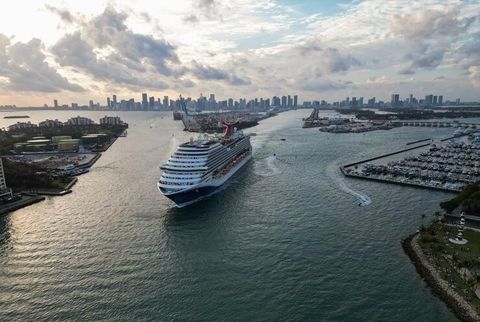
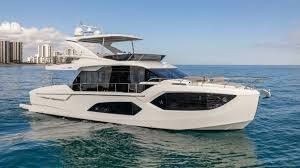
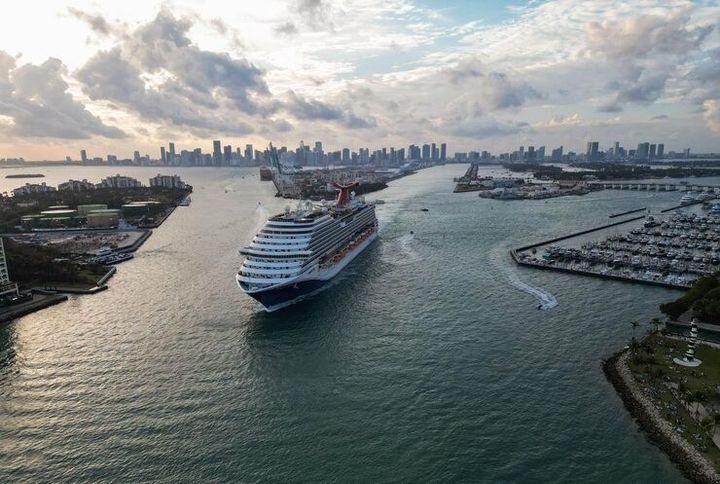
Cruise travel has become one of the most popular ways to see the world. Instead of packing and unpacking in multiple hotels, you settle into a floating resort that takes you from one destination to the next. Modern cruise ships range from massive floating cities with thousands of passengers to intimate luxury vessels that feel more like private yachts.
This guide breaks down the main types of cruises, what luxury packages actually include, the destinations people book most, the biggest global operators, and what the overall experience feels like once you’re on board.
Main Types of Cruise Travel
Not every cruise is the same. The experience changes dramatically depending on the type of ship and itinerary.
Ocean cruises are the most common. Large ships sail the open sea and stop at multiple ports. These range from mainstream family-friendly vessels to more upscale ships with fewer crowds and higher service levels.
River cruises travel along major waterways such as the Rhine, Danube, Seine, or Mekong. Ships are much smaller, the pace is slower, and you wake up in the heart of cities and towns instead of large commercial ports.
Luxury and ultra-luxury cruises focus on space, service, and exclusivity. Cabins are larger, dining is more refined, and many extras (drinks, Wi-Fi, excursions, gratuities) are often included.
Expedition cruises take travelers to remote places such as Antarctica, the Arctic, or the Galápagos. These ships are built for exploration, with expert guides, Zodiac boats, and a strong focus on nature and wildlife.
Theme and specialty cruises cater to specific interests — music, food and wine, wellness, family reunions, or adult-only sailings.
Luxury Cruise Packages – What You Actually Get
Luxury cruise packages go far beyond a basic cabin and meals. Higher-end lines typically include:
- Spacious suites with balconies or private verandas
- Fine dining across multiple restaurants with no extra charge
- Premium drinks packages (or unlimited beverages)
- Shore excursions in many cases
- High-quality Wi-Fi
- Gratuities
- Personalized service and higher staff-to-guest ratios
Some ultra-luxury operators also include private transfers, pre-cruise hotel stays, and exclusive experiences such as private tours or onboard enrichment programs. The price is higher, but the value often comes from having almost everything included so there are fewer surprises at the end of the trip.
Most Popular Cruise Destinations
Certain regions consistently attract the largest number of travelers:
Caribbean and Bahamas
Warm weather, short flights for many North American travelers, beautiful beaches, and a huge variety of itineraries. This remains the busiest cruise region in the world.
Mediterranean
Ideal for culture, history, food, and scenery. Popular routes include Italy, Greece, Spain, France, and Croatia. Summer is peak season, but spring and fall offer milder weather and fewer crowds.
Alaska
Known for dramatic glaciers, wildlife, and mountain scenery. Most cruises run between May and September. Many itineraries include scenic cruising through fjords and opportunities to see whales, bears, and eagles.
Northern Europe and the Baltics
Covers Norway’s fjords, Iceland, and the historic cities of the Baltic Sea (Stockholm, Helsinki, St. Petersburg area, Copenhagen). These sailings are especially popular in summer.
River destinations
Europe’s major rivers (Rhine, Danube, Seine, Douro) dominate the river cruise market. Asia and Egypt also offer strong river itineraries.
Other growing areas include the Panama Canal, Hawaii, Australia & New Zealand, and longer world cruises or grand voyages.
Global Cruise Operators You Should Know
The cruise industry is dominated by a handful of major groups, each with several brands:
- Royal Caribbean Group — Royal Caribbean International, Celebrity Cruises, Silversea
- Carnival Corporation — Carnival Cruise Line, Princess Cruises, Holland America, Cunard, Seabourn, AIDA, Costa
- Norwegian Cruise Line Holdings — Norwegian Cruise Line, Oceania Cruises, Regent Seven Seas
- MSC Cruises — One of the largest independent operators, with a growing luxury brand (Explora Journeys)
- Disney Cruise Line — Strong focus on families and themed experiences
- Viking — Dominant in river cruising and expanding in ocean voyages
- Virgin Voyages — Adults-only, modern, design-focused ships
Smaller luxury and expedition brands (such as Scenic, Crystal, Ponant, Lindblad, and others) serve travelers looking for more intimate or adventure-oriented experiences.
What the Cruise Experience Actually Feels Like
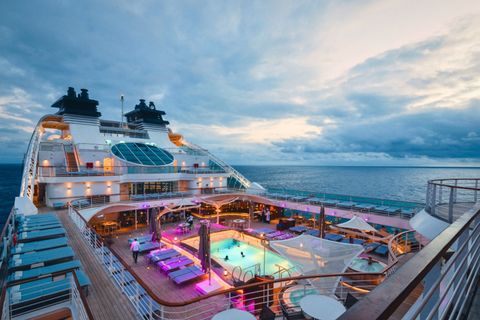
A typical day at sea might include breakfast with a view, a morning on the pool deck or in a spa, specialty restaurants for lunch or dinner, live entertainment in the evening, and quiet time on a balcony watching the ocean. On port days the ship becomes a convenient base — you explore during the day and return to the same cabin at night.
The atmosphere varies by ship. Large mainstream ships feel energetic and full of activities. Luxury and river ships feel calmer and more refined. Expedition ships feel adventurous and educational.
Most first-time cruisers are surprised by how easy the logistics become once you’re on board. Your floating hotel moves with you, meals are taken care of, and entertainment is always available.
Choosing the Right Cruise for You
Think about what matters most: destinations, ship size, budget, travel companions, and preferred style (relaxed, active, luxurious, or adventurous). Reading recent passenger reviews and checking what’s included in the fare helps avoid surprises.
Cruise travel continues to grow because it combines convenience, variety, and a wide range of price points — from affordable family vacations to ultra-luxury escapes. Whether you want sunny beaches, dramatic glaciers, historic European cities, or remote wilderness, there is a cruise designed for that experience.