Gelatin Capsule Manufacturing Explained: Capsule Types, Production Processes, Manufacturing Technologies, Global Manufacturers, Suppliers and Pharmaceutical Applications
Gelatin capsules remain one of the most widely used oral dosage forms in the pharmaceutical and nutraceutical industries. They offer precise dosing, good patient acceptance, and flexibility for many formulations. Understanding capsule types, how they are made, the technologies involved, major manufacturers, suppliers, and real-world applications helps formulators, buyers, and production teams make better decisions.
Key points at a glance include:
- Hard gelatin capsules dominate powder and pellet fills
- Soft gelatin capsules excel with liquids and semi-solids
- Production relies on controlled dipping or rotary die methods
- Leading suppliers provide certified empty capsules globally
- Applications span prescription drugs, OTC products, and supplements
Main Types of Gelatin Capsules
Gelatin capsules fall into two primary categories based on structure and manufacturing method.
Hard Gelatin Capsules
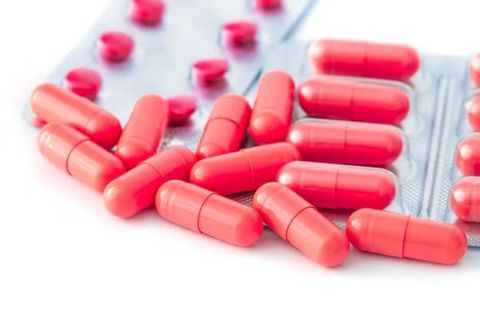
Hard gelatin capsules consist of two prefabricated cylindrical pieces — a body and a slightly larger cap. These empty hard capsules are supplied ready for filling. They are typically made from pharmaceutical-grade gelatin derived from bovine or porcine collagen, with a moisture content of around 13–16 percent.
Common sizes range from 000 (largest) to 5 (smallest). Size 0 and 00 are among the most frequently used for pharmaceutical products. Hard gelatin capsules work well with powders, granules, pellets, and certain semi-solids. They dissolve quickly in the stomach under normal conditions.
Soft Gelatin Capsules
Soft gelatin capsules, often called softgels, are one-piece hermetically sealed shells. They contain higher levels of plasticizers such as glycerin or sorbitol, which keep the shell flexible. Softgels are ideal for oils, suspensions, pastes, and liquid formulations that improve bioavailability of poorly water-soluble active ingredients.
Both types can be clear, colored, or opaque. Enteric versions and specialty capsules designed for delayed release are also available when stomach acid protection is needed.
Production Processes for Gelatin Capsules
The manufacturing routes for hard and soft capsules differ significantly.
Hard Capsule Production Process
Hard gelatin capsule shells are produced by the dip-molding method. Stainless steel pins arranged in precise arrays are dipped into a temperature-controlled gelatin solution. The pins are rotated to create an even film, then withdrawn and passed through carefully controlled drying zones. Once dry, the shells are stripped from the pins, trimmed to exact length, and joined as matched body and cap pairs.
Modern machines produce millions of empty capsules per hour under strict humidity and temperature conditions. Quality checks cover dimensions, moisture content, disintegration time, and microbial limits.
Soft Capsule Production Process
Soft gelatin capsules are made primarily by the rotary die process. Two continuous gelatin ribbons are formed and brought together between rotating dies. Liquid or semi-solid fill material is injected between the ribbons at the exact moment the dies form and seal the capsule. The sealed softgels then move to drying stages that reduce moisture to the required level.
Other methods such as the reciprocating die process exist for specific needs, but rotary die remains the industry standard for high-volume softgel production.
Manufacturing Technologies and Quality Controls
Modern gelatin capsule manufacturing depends on precise process control. Temperature of the gelatin solution, pin or die design, drying conditions, and environmental humidity all affect shell quality. Advanced systems incorporate process analytical technology for real-time monitoring of critical parameters.
Empty capsules must meet pharmacopeial standards for disintegration, dissolution, and microbial purity. Many manufacturers maintain Drug Master Files with regulatory authorities and operate under current Good Manufacturing Practice requirements. Colorants, opacifiers, and printing inks used on capsules also follow strict regulatory guidelines.
Global Manufacturers and Suppliers of Empty Capsules
A relatively small number of specialized companies supply the majority of pharmaceutical-grade empty capsules worldwide. Lonza (Capsugel), ACG, Qualicaps (part of Roquette), Suheung, and CapsCanada rank among the most recognized names. These firms produce both gelatin and alternative polymer capsules at large scale and maintain extensive certification portfolios.
Regional suppliers in India, China, South Korea, and Europe also serve local and export markets. When selecting a supplier, buyers typically evaluate gelatin source traceability, batch consistency, available sizes, printing options, regulatory documentation, and supply reliability. Many offer both standard and custom-colored empty gelatin capsules along with vegetarian alternatives based on HPMC or pullulan.
Pharmaceutical and Related Applications
Gelatin capsules serve a broad range of uses across healthcare and wellness sectors.
In pharmaceuticals they deliver antibiotics, analgesics, anti-inflammatory agents, vitamins, and many other active ingredients. Hard gelatin capsules are preferred for solid fills that require accurate dosing. Softgels improve patient compliance for oily or poorly soluble compounds and are common in vitamin D, omega-3, and certain hormone products.
Nutraceutical and dietary supplement companies use empty capsules extensively for herbal extracts, probiotics, enzymes, and multi-ingredient formulas. Contract manufacturing organizations rely on consistent empty capsule supplies to support high-volume filling operations. Specialty applications include clinical trial materials, veterinary products, and enteric-coated versions for acid-sensitive ingredients.
Mid-article focus points worth noting:
- Hard capsules suit high-speed automatic filling lines
- Softgels enable liquid-fill formulations that enhance absorption
- Certified empty capsules simplify regulatory submissions
- Size selection balances dose volume and patient swallowability
Factors That Influence Capsule Performance
Several practical factors affect how well a gelatin capsule performs. Moisture sensitivity means hard gelatin capsules can become brittle in very dry conditions or sticky in high humidity. Cross-linking of gelatin over time or under certain storage conditions can slow dissolution, which is why proper packaging and storage matter. Compatibility between the fill material and the shell must be checked during formulation development to avoid leakage or shell weakening.
For liquid-filled hard capsules, careful selection of vehicles prevents interaction with the gelatin. Softgels require attention to plasticizer levels and drying to achieve the right shell strength and appearance.
Conclusion
Gelatin capsule manufacturing combines established material science with tightly controlled industrial processes. Hard gelatin capsules produced by dip molding and soft gelatin capsules formed by rotary die methods each meet distinct formulation needs. Leading global manufacturers and specialized suppliers provide reliable empty capsules that support pharmaceutical, nutraceutical, and related applications around the world.
Understanding capsule types, production steps, quality requirements, and available suppliers enables better product development and sourcing decisions. As demand for precise oral delivery continues, gelatin capsules remain a practical, well-understood, and widely accepted dosage form that continues to serve patients and manufacturers effectively.
Disclaimer: The information provided in this article is for informational purposes only. We do not make any claims or guarantees regarding the accuracy, reliability, or completeness of the information presented. The content is not intended as professional advice and should not be relied upon as such. Readers are encouraged to conduct their own research and consult with appropriate professionals before making any decisions based on the information provided in this article.