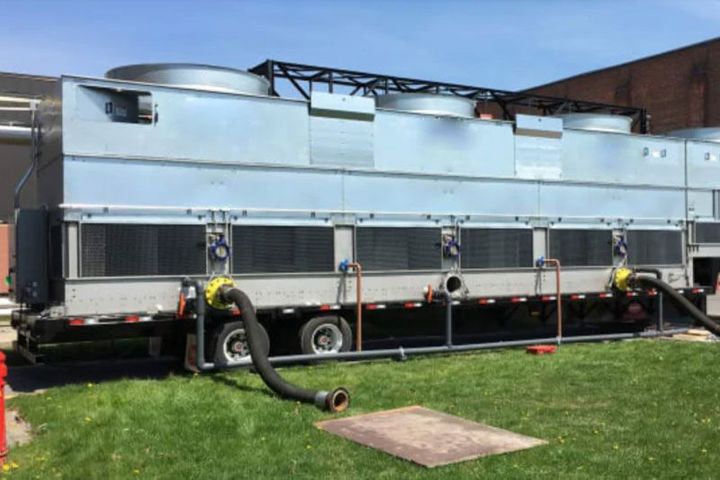
A Practical and User-Focused Guide to Flexible Heat Rejection Solutions
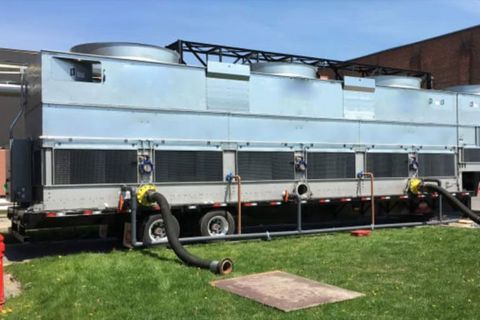
Portable cooling towers are compact, movable systems designed to remove excess heat from industrial or commercial processes by dissipating it into the atmosphere. Unlike fixed cooling towers that are permanently installed, portable cooling towers are designed for temporary, flexible, or mobile use. They are commonly used during maintenance shutdowns, emergency cooling needs, seasonal demand increases, construction projects, or temporary process expansions. Cooling is a critical requirement in many industries, including power generation, manufacturing, HVAC, chemical processing, and data centers. When permanent cooling systems are unavailable, under maintenance, or insufficient for short-term needs, portable cooling towers offer a practical alternative. Their ability to be deployed quickly and relocated as needed makes them valuable for operations that require adaptability. This article explains portable cooling towers in a clear, user-focused way. It covers benefits and limitations, types and categories, recent trends and innovations, key features to consider, notable companies and solution providers, guidance on choosing the right option, practical tips for use and maintenance, frequently asked questions, and a reflective conclusion.
Benefits of Portable Cooling Towers
1. Mobility and Flexibility
Portable cooling towers can be moved between sites or positioned where cooling is temporarily required.
2. Quick Deployment
They can be installed and commissioned faster than permanent cooling systems.
3. Support During Maintenance or Emergencies
Portable units help maintain operations when fixed cooling towers are offline.
4. Scalable Cooling Capacity
Multiple units can be combined to meet higher or fluctuating cooling demands.
5. Reduced Capital Commitment
For temporary needs, portable towers eliminate the need for permanent infrastructure investment.
6. Versatile Applications
They can be used across industries such as power plants, refineries, manufacturing facilities, and HVAC systems.
Limitations of Portable Cooling Towers
1. Lower Capacity Compared to Large Fixed Towers
Portable units may not match the cooling capacity of large, permanent systems.
2. Higher Operating Costs for Long-Term Use
Extended use can be less cost-effective than permanent installations.
3. Space and Access Requirements
Although portable, units still require adequate space, water supply, and airflow.
4. Noise Considerations
Some portable cooling towers can produce noticeable noise, especially in urban settings.
5. Water Quality Management
Poor water quality can reduce performance and increase maintenance needs.
Types and Categories of Portable Cooling Towers
1. Induced Draft Portable Cooling Towers
Use fans at the top to draw air through the tower.
Advantages:
• Efficient airflow
• Stable performance
Typical uses:
• Industrial process cooling
• HVAC support
2. Forced Draft Portable Cooling Towers
Fans push air into the tower from the bottom or side.
Advantages:
• Compact design
• Easier fan access
Limitations:
• Lower efficiency compared to induced draft designs
3. Open-Circuit Portable Cooling Towers
Process water comes into direct contact with air.
Typical uses:
• Industrial processes
• Power generation support
4. Closed-Circuit Portable Cooling Towers
Process fluid is contained within coils and cooled indirectly.
Typical uses:
• Sensitive processes
• Applications requiring cleaner fluids
5. Trailer-Mounted Cooling Towers
Mounted on trailers for easy transportation between sites.
6. Skid-Mounted Portable Cooling Towers
Designed for placement on flat surfaces using forklifts or cranes.
Comparison Table: Common Portable Cooling Tower Types
| Type | Cooling Method | Mobility Level | Typical Applications |
|---|---|---|---|
| Induced Draft | Air drawn through | Medium | Industrial cooling |
| Forced Draft | Air pushed in | Medium | HVAC support |
| Open-Circuit | Direct contact | Medium | Process cooling |
| Closed-Circuit | Indirect cooling | Medium | Sensitive systems |
| Trailer-Mounted | Mobile base | High | Multi-site use |
| Skid-Mounted | Fixed base | Medium | Temporary installations |
Latest Trends and Innovations in Portable Cooling Towers
1. Improved Energy Efficiency
Modern designs focus on efficient fans and optimized heat transfer to reduce power consumption.
2. Compact and Modular Designs
Newer systems are easier to transport, install, and combine for larger capacities.
3. Advanced Materials
Corrosion-resistant materials improve durability and extend service life.
4. Noise Reduction Features
Design improvements help reduce operational noise in sensitive environments.
5. Enhanced Water Management
Better filtration and treatment options support consistent performance.
6. Digital Monitoring
Some portable cooling towers include sensors for temperature, flow, and performance tracking.
7. Environmentally Responsible Design
Focus on reduced water consumption and improved drift control.
Key Features to Consider in Portable Cooling Towers
1. Cooling Capacity
Ensure the unit can handle the required heat load under operating conditions.
2. Mobility and Setup
Consider how easily the unit can be transported and installed.
3. Water Consumption
Efficient water use reduces operating costs and environmental impact.
4. Power Requirements
Check compatibility with available electrical supply.
5. Noise Levels
Important for installations near occupied areas.
6. Materials and Construction
Corrosion-resistant materials improve reliability, especially in harsh environments.
7. Maintenance Accessibility
Easy access to fans, pumps, and fill media simplifies servicing.
8. Compatibility with Existing Systems
Ensure the tower integrates smoothly with current piping and controls.
Portable Cooling Tower Companies and Solution Providers
The following companies are widely known for cooling tower solutions, including portable and temporary systems. These links are provided for general reference and public information, not endorsements.
• SPX Cooling Technologies – https://www.spxcooling.com
• EVAPCO – https://www.evapco.com
• Baltimore Aircoil Company – https://www.baltimoreaircoil.com
• Aggreko – https://www.aggreko.com
• Johnson Controls – https://www.johnsoncontrols.com
• Cooling Tower Rentals – https://www.coolingtowerrentals.com
• Delta Cooling Towers – https://www.deltacooling.com
How to Choose the Right Portable Cooling Tower
Step 1: Define the Cooling Requirement
Identify the heat load, temperature range, and duration of use.
Step 2: Assess Site Conditions
Evaluate space availability, airflow, water supply, and power access.
Step 3: Decide on Cooling Tower Type
Choose open or closed circuit based on process requirements.
Step 4: Consider Duration of Use
Short-term needs may favor rental solutions, while longer projects may justify purchase.
Step 5: Evaluate Mobility Needs
Determine whether trailer-mounted or skid-mounted units are more suitable.
Step 6: Review Operational Costs
Consider water, power, and maintenance expenses.
Step 7: Confirm Safety and Compliance
Ensure compliance with local environmental and safety regulations.
Portable Cooling Tower Selection Checklist
[ ] Heat load and cooling capacity defined
[ ] Duration of use identified
[ ] Site space and access evaluated
[ ] Water and power availability confirmed
[ ] Cooling tower type selected
[ ] Mobility requirements reviewed
[ ] Noise limits considered
[ ] Maintenance access checked
[ ] Operating costs estimated
[ ] Compliance requirements verified
Tips for Best Use and Maintenance of Portable Cooling Towers
1. Ensure Proper Installation
Correct placement and connections improve efficiency and safety.
2. Monitor Water Quality
Regular testing helps prevent scaling, corrosion, and biological growth.
3. Clean Fill Media and Basins
Routine cleaning maintains heat transfer efficiency.
4. Inspect Fans and Motors
Early detection of wear prevents unexpected downtime.
5. Check Drift Eliminators
Proper drift control reduces water loss and environmental impact.
6. Operate Within Design Limits
Avoid exceeding recommended temperatures or flow rates.
7. Plan Preventive Maintenance
Scheduled inspections improve reliability during critical operations.
FAQs About Portable Cooling Towers
1. What is a portable cooling tower?
It is a movable cooling system used to dissipate heat temporarily or flexibly.
2. When are portable cooling towers commonly used?
They are used during maintenance shutdowns, emergencies, or temporary process needs.
3. Can portable cooling towers replace permanent systems?
They can support or supplement systems temporarily but are not always suitable for long-term replacement.
4. Are portable cooling towers energy efficient?
Modern designs are efficient, but operating costs depend on usage duration and conditions.
5. Do portable cooling towers require water treatment?
Yes. Proper water treatment is important for performance and equipment longevity.
6. Are rental options available?
Yes. Many providers offer rental units for short- or medium-term needs.
7. How quickly can a portable cooling tower be deployed?
Deployment can often be completed within days, depending on site readiness.
Conclusion: A Practical Takeaway
Portable cooling towers provide a flexible and practical solution for temporary or mobile cooling needs across many industries. They help maintain operational continuity during maintenance, emergencies, or short-term capacity increases without requiring permanent infrastructure changes. While they may not replace large fixed cooling systems for continuous use, their adaptability and ease of deployment make them a valuable part of modern thermal management strategies.
By understanding the benefits, limitations, types, trends, and key features of portable cooling towers outlined in this guide, users can make informed decisions that align with their operational requirements and constraints. When selected carefully and maintained properly, portable cooling towers offer reliable performance and practical value in dynamic operating environments.