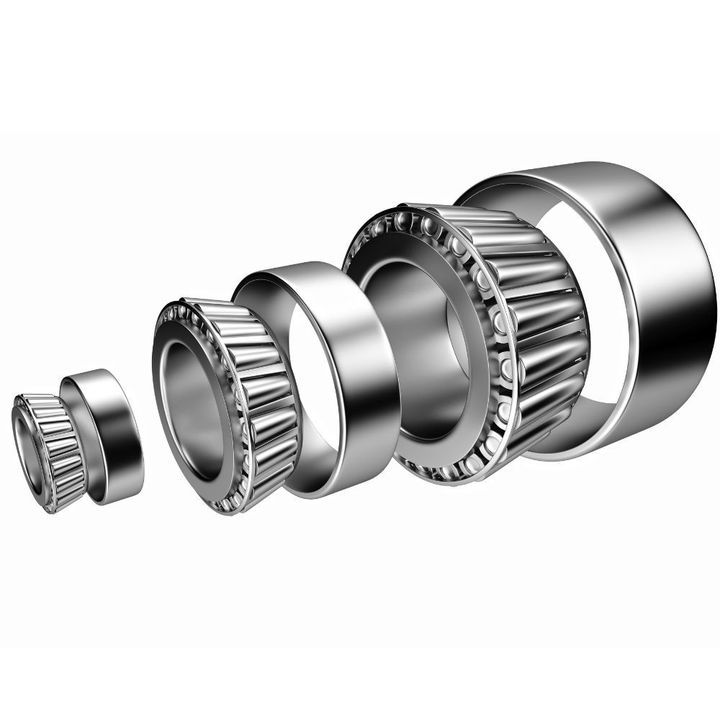
A Practical and User-Focused Guide to the Building Blocks of Rotating Machinery
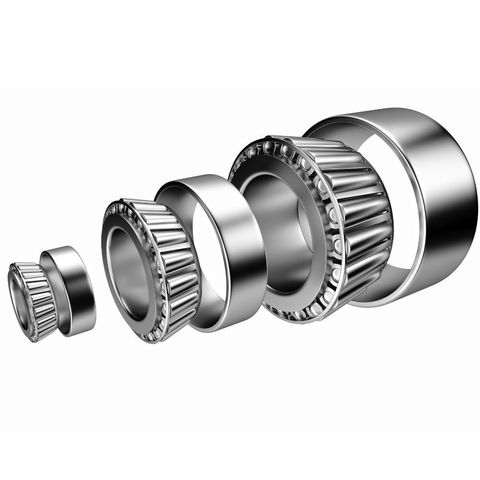
Bearing components are the individual parts that make up a bearing system, allowing machines to support loads, reduce friction, and enable smooth rotational or linear movement. Bearings are essential in almost every mechanical system, from small household appliances and electric motors to large industrial machines, vehicles, wind turbines, and heavy equipment. While bearings are often discussed as complete units, their performance depends heavily on the quality, design, and compatibility of their individual components. Each part plays a specific role in managing loads, minimizing wear, and ensuring long service life. Understanding bearing components helps engineers, technicians, maintenance teams, and buyers make informed decisions when selecting, installing, or maintaining bearings. This article explains bearing components in a clear and user-focused way. It covers their benefits and limitations, major types and categories, recent trends and innovations, key features to consider, well-known companies and solution providers, guidance on choosing the right components, practical tips for use and maintenance, frequently asked questions, and a reflective conclusion.
Benefits of Well-Designed Bearing Components
1. Reduced Friction and Wear
High-quality bearing components minimize contact friction, allowing smooth and efficient movement.
2. Improved Load Handling
Properly designed components distribute loads evenly, reducing stress and extending bearing life.
3. Increased Machine Reliability
Reliable bearing components help prevent unexpected breakdowns and downtime.
4. Energy Efficiency
Lower friction means less energy is lost as heat, improving overall system efficiency.
5. Longer Service Life
Durable materials and precise manufacturing reduce wear and fatigue over time.
6. Consistent Performance
Quality components ensure stable operation under varying speeds and loads.
Limitations of Bearing Components
1. Sensitivity to Installation Errors
Incorrect handling or installation can damage components and reduce performance.
2. Material Limitations
Certain materials may not perform well under extreme temperatures or corrosive conditions.
3. Maintenance Dependency
Without proper lubrication and inspection, even high-quality components can fail early.
4. Cost Considerations
Precision components can be more expensive than basic alternatives.
5. Compatibility Challenges
Mismatched components can lead to uneven wear or premature failure.
Main Bearing Components and Their Functions
1. Inner Ring
The inner ring is mounted on the shaft and rotates with it.
Key role:
• Provides a raceway for rolling elements
• Transfers loads from the shaft
2. Outer Ring
The outer ring is typically fixed within the housing.
Key role:
• Provides a stationary raceway
• Transfers loads to the housing
3. Rolling Elements
These include balls, rollers, or needles, depending on bearing type.
Key role:
• Reduce friction between rings
• Support radial and axial loads
4. Cage (Separator)
The cage keeps rolling elements evenly spaced.
Key role:
• Prevents contact between rolling elements
• Maintains smooth motion
5. Seals and Shields
Used to protect internal components.
Key role:
• Retain lubrication
• Prevent contamination
6. Lubricant
Although not a solid component, lubrication is critical to bearing function.
Key role:
• Reduces friction and heat
• Protects against corrosion
Types and Categories of Bearing Components
1. Ball Bearing Components
Used in bearings designed for moderate loads and high speeds.
Common applications:
• Electric motors
• Fans
• Household appliances
2. Roller Bearing Components
Designed for higher load capacities.
Types include:
• Cylindrical rollers
• Tapered rollers
• Spherical rollers
3. Needle Bearing Components
Use long, thin rolling elements.
Common applications:
• Automotive transmissions
• Compact machinery
4. Plain Bearing Components
Use sliding surfaces instead of rolling elements.
Common applications:
• Heavy-duty equipment
• Low-speed applications
5. Specialized Bearing Components
Designed for unique conditions.
Examples:
• High-temperature bearings
• Corrosion-resistant bearings
Comparison Table: Key Bearing Components
| Component | Primary Function | Typical Materials | Wear Sensitivity |
|---|---|---|---|
| Inner Ring | Shaft support | Steel, alloys | Medium |
| Outer Ring | Housing support | Steel, alloys | Medium |
| Rolling Elements | Load transfer | Steel, ceramic | High |
| Cage | Element spacing | Steel, brass, polymer | Low |
| Seals/Shields | Protection | Rubber, metal | Medium |
| Lubricant | Friction reduction | Grease, oil | High |
Latest Trends and Innovations in Bearing Components
1. Advanced Materials
Use of ceramics, hybrid materials, and advanced alloys improves durability and speed capability.
2. Improved Surface Finishing
Smoother raceways reduce friction and noise.
3. Enhanced Sealing Technologies
Modern seals offer better protection against dust, moisture, and chemicals.
4. Lightweight Cages
Polymer cages reduce weight and improve efficiency at high speeds.
5. Condition Monitoring Integration
Some bearings include sensors to monitor temperature, vibration, and wear.
6. Environmentally Friendly Lubricants
Low-toxicity and biodegradable lubricants support sustainability goals.
7. Precision Manufacturing
Tighter tolerances improve load distribution and lifespan.
Key Features to Consider When Evaluating Bearing Components
1. Material Quality
Material choice affects strength, wear resistance, and corrosion protection.
2. Load Capacity
Components must support expected radial and axial loads.
3. Speed Capability
High-speed applications require precise rolling elements and cages.
4. Temperature Resistance
Operating temperatures influence material and lubricant selection.
5. Sealing Effectiveness
Good sealing protects internal components from contamination.
6. Compatibility
All components must be compatible with each other and the application.
7. Precision and Tolerance
Tighter tolerances improve performance but may increase cost.
8. Maintenance Requirements
Some components require more frequent lubrication or inspection.
Bearing Component Manufacturers and Information Sources
The following companies are widely known for bearings and bearing components. These links are provided for general reference and public information, not endorsements.
• SKF – https://www.skf.com
• Schaeffler (FAG, INA) – https://www.schaeffler.com
• NSK – https://www.nsk.com
• NTN – https://www.ntn-snr.com
• Timken – https://www.timken.com
• JTEKT (Koyo) – https://www.jtekt.co.jp
• RBC Bearings – https://www.rbcbearings.com
How to Choose the Right Bearing Components
Step 1: Understand the Application
Identify load type, speed, operating environment, and expected lifespan.
Step 2: Define Performance Requirements
Determine accuracy, noise level, and efficiency needs.
Step 3: Select Appropriate Materials
Match materials to temperature, corrosion, and wear conditions.
Step 4: Evaluate Sealing and Lubrication
Choose seals and lubricants that suit contamination and maintenance conditions.
Step 5: Check Compatibility
Ensure components match shaft size, housing, and bearing type.
Step 6: Consider Operating Environment
Dust, moisture, chemicals, and vibration influence component choice.
Step 7: Plan for Maintenance
Select components that align with available maintenance resources.
Bearing Component Selection Checklist
[ ] Application requirements defined
[ ] Load and speed conditions assessed
[ ] Material selection verified
[ ] Temperature range considered
[ ] Sealing needs evaluated
[ ] Lubrication type selected
[ ] Component compatibility confirmed
[ ] Precision requirements reviewed
[ ] Maintenance capability assessed
[ ] Supplier reliability checked
Tips for Best Use and Maintenance of Bearing Components
1. Handle Components Carefully
Avoid contamination or physical damage during handling.
2. Ensure Proper Installation
Use correct tools and procedures to prevent misalignment.
3. Maintain Clean Environments
Clean surroundings reduce contamination risk.
4. Use Correct Lubrication
Apply the right type and amount of lubricant.
5. Monitor Operating Conditions
Watch for unusual noise, vibration, or temperature changes.
6. Perform Regular Inspections
Early detection of wear prevents major failures.
7. Replace Worn Components Promptly
Timely replacement avoids damage to other machine parts.
FAQs About Bearing Components
1. What are bearing components?
They are the individual parts that make up a bearing, such as rings, rolling elements, cages, and seals.
2. Can bearing components be replaced individually?
In some cases, yes, but often bearings are replaced as complete units.
3. Why are rolling elements important?
They reduce friction and support loads between rings.
4. What causes bearing component failure?
Common causes include poor lubrication, contamination, misalignment, and overload.
5. How do seals affect bearing life?
Good seals protect internal components from contaminants and retain lubrication.
6. Are ceramic bearing components better than steel?
Ceramics offer advantages in some applications, such as high speed or low weight, but are not always necessary.
7. How often should bearing components be inspected?
Inspection frequency depends on application severity and operating conditions.
Conclusion: A Practical Takeaway
Bearing components may be small in size, but they play a critical role in the performance, efficiency, and reliability of mechanical systems. Understanding how each component functions and how they work together helps users make informed decisions when selecting, installing, or maintaining bearings.
By considering application requirements, material choices, operating conditions, and maintenance needs outlined in this guide, users can improve equipment performance and reduce downtime. When chosen carefully and maintained properly, bearing components contribute significantly to smooth operation and long-term reliability across a wide range of industries.