Diamond Rings Explained: Types, Designs, Diamond Quality, Manufacturing Processes, Global Manufacturers, Suppliers and Jewellery Applications
Diamond rings remain one of the most meaningful and sought-after pieces of jewellery in the world. They are most commonly associated with engagement and marriage, but they are also purchased for anniversaries, milestone celebrations, and personal luxury. Understanding the different types, designs, diamond quality factors, manufacturing processes, and key players in the industry helps buyers make informed decisions.
This guide covers the main categories of diamond rings, popular design styles, how diamond quality is measured, how rings are made, major manufacturers and suppliers, and the most common ways diamond rings are used in jewellery.
Popular Types of Diamond Rings
Diamond rings come in several distinct categories based on purpose and style.
Engagement rings
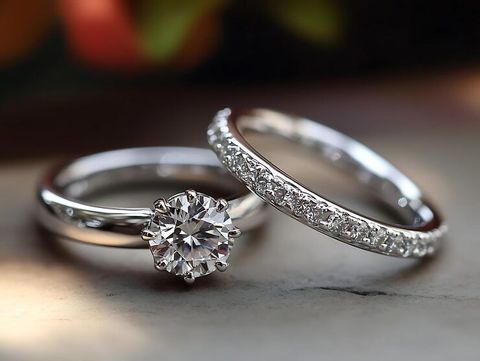
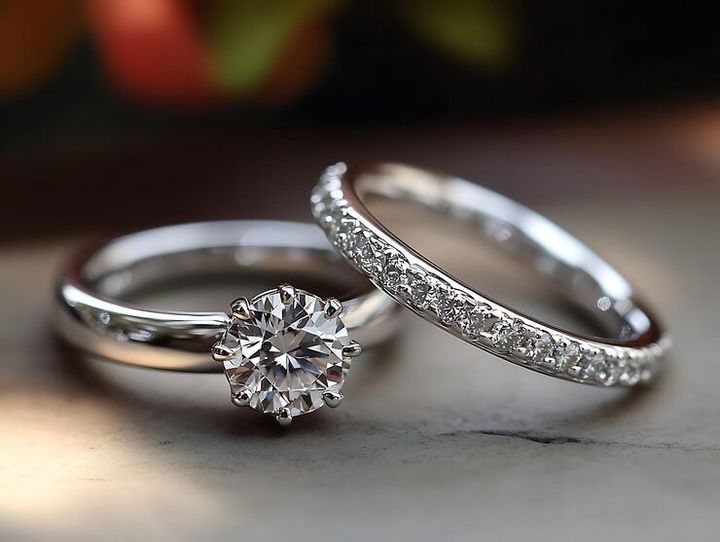
The most iconic category. These rings traditionally feature a prominent centre diamond, often in a solitaire setting, and are given as a symbol of commitment. Modern engagement rings range from classic solitaires to more elaborate designs with side stones or unique shapes.
Wedding bands and diamond eternity rings
Wedding bands may be plain metal or set with diamonds. Eternity rings feature diamonds all the way around the band and are often given as anniversary gifts or as part of a bridal set.
Fashion and right-hand rings
These are worn for style rather than symbolic reasons. They may feature multiple diamonds, bold designs, or coloured gemstones paired with diamonds.
Promise rings and anniversary rings
Smaller or more modest diamond rings given to mark a commitment or celebrate years of marriage.
Lab-grown diamond rings
An increasingly popular option. Lab-grown diamonds have the same physical and chemical properties as natural diamonds but are created in controlled environments. They usually cost significantly less than natural diamonds of comparable size and quality.
Popular Diamond Ring Designs
Design plays a major role in both appearance and price. Common styles include:
Solitaire
A single centre diamond held by prongs. This classic design puts full focus on the diamond and remains the most popular choice for engagement rings.
Halo
A centre diamond surrounded by a ring of smaller diamonds. The halo creates the visual effect of a larger centre stone and adds extra sparkle.
Pavé and micro-pavé
Tiny diamonds set closely together across the band, creating a continuous sparkle effect.
Three-stone
Features a larger centre diamond flanked by two side stones. The design is often said to represent past, present, and future.
Vintage and antique-inspired
These designs incorporate filigree, milgrain detailing, or older-cut diamonds for a romantic, heritage look.
Nature-inspired and unique designs
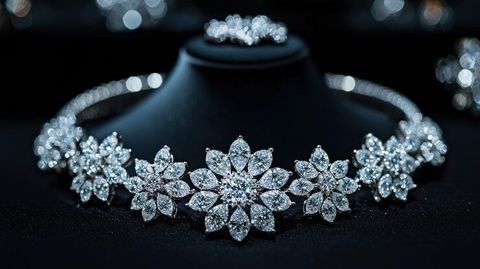
Floral motifs, twisted bands, or asymmetric settings appeal to buyers looking for something less traditional.
Metal choice also affects the final look. Platinum, white gold, yellow gold, and rose gold are the most common options, each creating a different aesthetic.
Diamond Quality – The 4Cs and Beyond
Diamond quality is primarily evaluated using the 4Cs: Carat, Cut, Colour, and Clarity.
Carat refers to weight. Larger diamonds are rarer and more expensive, but face-up size can also depend on cut and shape.
Cut is widely considered the most important factor for beauty. A well-cut diamond reflects light effectively and shows strong brilliance and fire. Cut grades typically range from Excellent/Ideal to Poor.
Colour is graded from D (colourless) to Z (noticeable yellow or brown tint). Most buyers prefer diamonds in the G–J range, which appear colourless or near-colourless to the naked eye while offering better value.
Clarity measures internal inclusions and external blemishes. Grades range from Flawless to Included. Many diamonds in the VS1–SI1 range offer excellent appearance without the high premium of higher clarity grades.
Beyond the 4Cs, shape (round, oval, cushion, pear, emerald, etc.), fluorescence, and certification also matter. Reputable grading reports from laboratories such as GIA (Gemological Institute of America) or AGS provide independent verification of a diamond’s characteristics.
Lab-grown diamonds are graded using the same 4Cs system.
Manufacturing Processes of Diamond Rings
Creating a diamond ring involves several precise stages.
First, the diamond is cut and polished from a rough stone (natural or lab-grown). This requires skilled craftsmanship to maximise beauty and retain weight.
The metal setting is then designed and produced. This can involve traditional hand fabrication, lost-wax casting, or advanced computer-aided design (CAD) and 3D printing techniques. Many modern jewellers use CAD to create highly precise and customisable designs.
The diamond (or diamonds) are then carefully set into the metal. Common setting styles include prong, bezel, channel, and pavé. Setting requires precision to ensure security and optimal light performance.
Finally, the ring is polished, cleaned, and inspected for quality before it reaches the customer. Custom rings often include additional steps for personalisation, such as engraving.
Global Manufacturers, Suppliers and Key Players
The diamond jewellery industry involves multiple layers of specialists.
Major diamond mining companies (such as De Beers Group and Alrosa) supply rough natural diamonds. Lab-grown diamond producers have expanded rapidly and now supply a significant share of the market.
Cutting and polishing centres are concentrated in places such as India (Surat), Antwerp, New York, and Tel Aviv. India handles a very large percentage of the world’s diamond cutting.
Jewellery manufacturers range from large global brands to specialised workshops. Well-known jewellery houses and retailers include Tiffany & Co., Cartier, Harry Winston, and many strong independent and online jewellers. A growing number of direct-to-consumer brands focus on transparent pricing and lab-grown diamonds.
Suppliers of findings, mountings, and finished settings support both large manufacturers and independent jewellers worldwide.
Jewellery Applications and Buying Considerations
Diamond rings serve both emotional and aesthetic purposes. Engagement rings remain the dominant application, followed by wedding bands, anniversary gifts, and fashion jewellery.
When buying, consider:
- Budget and long-term value
- Preferred diamond origin (natural or lab-grown)
- Setting durability for everyday wear
- Certification from a respected laboratory
- Return policy and after-sales service (resizing, cleaning, repairs)
Trying rings on in person helps assess proportions and comfort, though many buyers now purchase successfully online after reviewing detailed specifications and return options.
Diamond rings continue to hold strong cultural and emotional significance while also reflecting advances in design, technology, and supply options. Understanding the different types, quality factors, and manufacturing processes allows buyers to choose a ring that matches both their style and practical needs.