Parts Store Guide Automotive Parts Industrial Components Manufacturers Suppliers
A parts store serves as a practical hub for anyone who needs reliable components, whether for vehicles or industrial machinery. These stores stock everything from everyday automotive parts to specialized industrial components that keep factories and equipment running.
Understanding the main product categories, trusted global manufacturers, dependable suppliers, and real commercial applications helps buyers choose the right items faster and avoid costly mistakes.
What a Modern Parts Store Offers
Today’s parts stores go far beyond simple shelves of generic items. Many combine retail counters with online catalogs, fitment tools, and technical support. Customers range from individual car owners and independent mechanics to fleet managers and industrial maintenance teams. The best stores focus on accurate inventory, correct vehicle or machine compatibility, and fast availability of both common and hard-to-find parts.
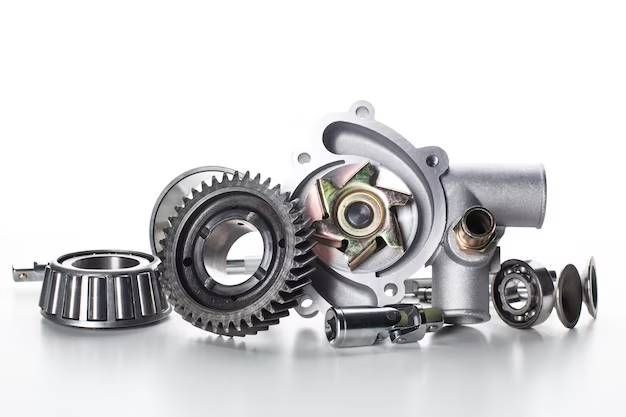
Two broad areas dominate most inventories: automotive parts and industrial components. While they serve different end uses, the underlying need remains the same—quality parts that fit properly and last under real operating conditions.
Automotive Parts Categories
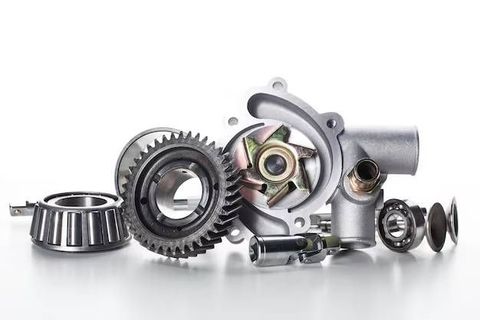
Automotive parts cover nearly every system in a vehicle. Common high-demand categories include:
- Engine components such as filters, spark plugs, belts, and sensors
- Braking systems including brake pads, rotors, and calipers
- Electrical parts like alternators, batteries, starters, and wiring
- Suspension and steering items such as shocks, struts, and control arms
- Exterior and body parts including lights, mirrors, and trim
Aftermarket parts give buyers more choices in price and performance compared with original equipment manufacturer (OEM) parts. Many shops also carry performance upgrades for enthusiasts who want improved handling, power, or appearance. Fitment accuracy matters most—searching by year, make, model, and engine size dramatically reduces returns and installation problems.
Industrial Components and Supplies
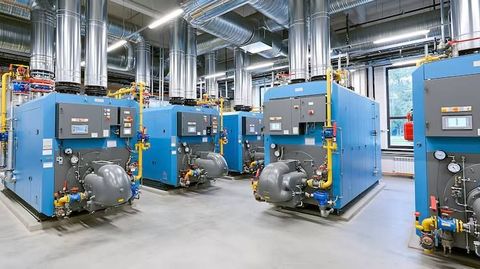
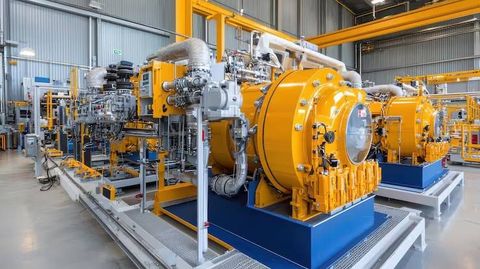
Industrial components support manufacturing plants, warehouses, construction sites, and processing facilities. These items often face harsher conditions than automotive parts and must meet stricter durability or safety standards.
Key groups include:
- Bearings, seals, and power transmission products
- Hydraulic and pneumatic fittings, cylinders, and valves
- Motors, drives, and electrical controls
- Fasteners, tools, and maintenance consumables
- Safety equipment and material handling components
Industrial supplies also cover filters, lubricants, and replacement parts for pumps, conveyors, and production machinery. Buyers in this space frequently look for certified products that meet industry standards and can be delivered with minimal downtime.
Global Manufacturers Behind the Parts
A wide range of global manufacturers produce both automotive and industrial components. Well-known automotive brands include Bosch, Denso, ACDelco, and Delphi for electrical and engine systems, along with specialists in braking and suspension. In the industrial sector, companies such as SKF, Timken, Parker Hannifin, and Siemens supply bearings, hydraulics, and control systems used worldwide.
Many of these manufacturers operate through authorized distributors and independent suppliers. Choosing parts from established names usually provides better documentation, warranty support, and consistent quality. Cross-reference tools help match OEM numbers with aftermarket equivalents so buyers can compare options without sacrificing compatibility.
Finding Reliable Parts Suppliers
Parts suppliers range from large national chains and online platforms to specialized local distributors. Good suppliers maintain deep inventory, offer technical advice, and support both walk-in and commercial accounts. For industrial buyers, the ability to handle bulk orders, provide certificates of conformity, and arrange urgent deliveries often decides the relationship.
Online catalogs with advanced search filters have made it easier to locate exact matches. Still, many commercial customers prefer suppliers who combine digital convenience with knowledgeable staff who understand real-world applications. Checking stock levels, delivery times, and return policies before ordering saves time and frustration.
Commercial Applications Across Industries
Parts stores support a wide variety of commercial uses. Independent repair shops and dealership service departments rely on them for daily automotive repairs. Fleet operators need consistent supplies of filters, brakes, and batteries to keep trucks and vehicles on the road.
In manufacturing and processing plants, industrial components keep production lines moving. Maintenance teams use bearings, seals, and hydraulic parts for scheduled shutdowns and emergency repairs. Construction companies and equipment rental firms depend on durable components that withstand heavy use. Even smaller commercial operations—such as landscaping firms or delivery services—benefit from quick access to reliable automotive and industrial parts.
The common thread is uptime. When a critical part fails, the right supplier can mean the difference between a short delay and an expensive stoppage.
How to Choose the Right Parts Efficiently
Start with accurate identification. For vehicles, record the year, make, model, and any engine or trim details. For industrial equipment, note the manufacturer, model number, and serial information. Cross-checking OEM part numbers against aftermarket catalogs often reveals better-value alternatives without sacrificing performance.
Consider the operating environment. High-temperature, high-load, or corrosive conditions may require upgraded materials or specialized seals. Warranty coverage and technical support also influence the decision, especially for commercial buyers who need documented quality.
Many stores now offer digital tools that check fitment automatically and show real-time stock. Combining these tools with clear communication about application needs produces the most reliable results.
Why Quality and Compatibility Still Matter Most
Cheap parts that fail early often cost more in labor and downtime than higher-quality options. Certified components from reputable manufacturers and carefully selected suppliers reduce the risk of premature failure. Whether the need is a set of brake pads for a daily driver or a specialized bearing for a production machine, the same principles apply: correct fit, proven durability, and dependable supply.
Parts stores continue to evolve with better online systems, broader inventories, and stronger technical resources. By understanding the main product categories, global manufacturers, supplier options, and commercial applications, buyers can navigate the market with greater confidence and keep both vehicles and industrial equipment running smoothly.