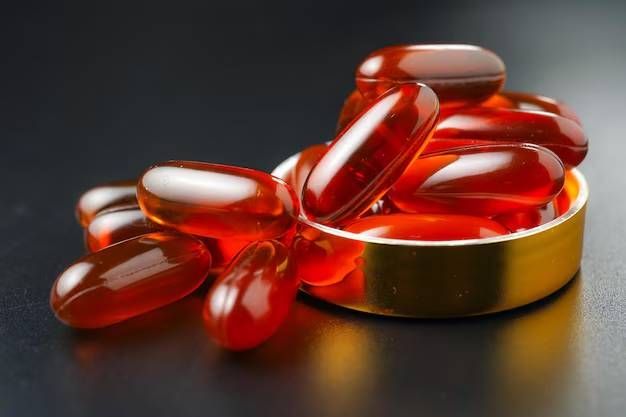
Softgel Capsules Explained: Types, Formulations, Manufacturing Processes, Global Manufacturers, Suppliers and Pharmaceutical Applications
Softgel capsules are pharmaceutical dosage forms consisting of a sealed, flexible gelatin-based shell containing a liquid, semi-solid, or suspension formulation. They are widely used in pharmaceutical, nutraceutical, and healthcare industries because they provide a convenient method of delivering active ingredients in accurately measured quantities.
The development of softgel technology is associated with advances in pharmaceutical encapsulation and gelatin processing. Early capsule technologies were developed to improve medicine administration and protect ingredients from environmental exposure. Modern manufacturing systems use specialized encapsulation equipment to produce softgel capsules in different shapes, sizes, and formulations.
Today, softgel capsules are manufactured using controlled processes involving gelatin preparation, fill formulation, encapsulation, drying, inspection, and packaging. Their applications include pharmaceutical medicines, vitamins, nutritional supplements, and selected specialty formulations.
Why Softgel Capsules Matter in the Pharmaceutical Industry
Softgel capsules play an important role in pharmaceutical formulation development because they can contain ingredients that are difficult to incorporate into conventional tablets or hard-shell capsules.
Their flexible shell can also provide protection against certain environmental conditions, depending on the formulation and packaging system.
Major applications include:
Pharmaceutical Medicines: Delivery of selected prescription and over-the-counter medicines.
Vitamins and Minerals: Encapsulation of oil-based vitamins and other nutritional ingredients.
Omega Fatty Acids: Delivery of formulated oils and fatty acid preparations.
Herbal Formulations: Encapsulation of selected plant extracts and oil-based ingredients.
Specialty Pharmaceutical Products: Delivery of ingredients requiring liquid or semi-solid formulations.
Nutraceutical Products: Encapsulation of nutritional ingredients intended for specific dietary applications.
Softgel technology is also used in products where taste masking, convenient administration, and formulation stability are important considerations.
Major Types of Softgel Capsules
Softgel capsules are classified according to their shell characteristics, shape, fill composition, and intended application.
Standard Softgel Capsules
Standard softgel capsules have a flexible shell generally manufactured using gelatin, water, and suitable plasticizers.
They are commonly available in oval, round, oblong, and other shapes. The internal formulation may contain oils, liquid medicines, or compatible semi-solid materials.
Chewable Softgel Capsules
Chewable softgels are developed with shell and fill characteristics that allow them to be chewed before swallowing.
They are used in selected nutritional and pharmaceutical formulations. Their texture, flavor, and ingredient compatibility require specific formulation development.
Enteric Softgel Capsules
Enteric softgel formulations are designed to resist release under specified acidic conditions and release their contents under different gastrointestinal conditions.
These formulations require specialized coating or shell technologies and appropriate dissolution testing.
Vegetarian and Non-Gelatin Softgel Capsules
Traditional softgels commonly use animal-derived gelatin. However, alternative shell materials are also being developed for products requiring non-gelatin formulations.
Depending on the technology, these may use modified starches, plant-derived polymers, or other suitable materials.
Their manufacturing properties can differ from conventional gelatin shells.
Softgel Capsule Formulations and Ingredients
Softgel capsules consist of two main components: the outer shell and the internal fill material. Both components require careful formulation to maintain product quality and manufacturing consistency.
Softgel Shell Formulation
The shell provides the capsule structure and encloses the internal formulation.
Common shell ingredients include:
Gelatin: Forms the main structural material in conventional softgel capsules.
Purified Water: Helps prepare and process the gelatin mixture.
Plasticizers: Materials such as glycerol or sorbitol help provide flexibility.
Colorants: Used to achieve specified capsule appearance.
Opacifying Agents: Selected materials may be incorporated to reduce light transmission.
The proportion of each ingredient depends on the required shell properties and manufacturing process.
Softgel Fill Formulation
The fill material contains the active pharmaceutical ingredient (API) or nutritional ingredient.
Common fill components include:
Active pharmaceutical ingredients.
Vegetable oils and other suitable carrier oils.
Polyethylene glycol-based vehicles.
Suspending agents.
Antioxidants.
Stabilizing agents.
Solubilizing ingredients.
The fill formulation must remain compatible with the shell. Chemical interaction, moisture migration, and ingredient leakage are important considerations during development.
Softgel Capsule Manufacturing Process
Softgel manufacturing involves specialized equipment and controlled production conditions. The rotary die encapsulation method is widely used for large-scale softgel production.
Gelatin Preparation
The manufacturing process begins with preparing the shell material.
Gelatin, purified water, and plasticizers are combined under controlled temperature and mixing conditions. The mixture is processed to achieve suitable viscosity and uniformity.
Air removal may also be performed to reduce bubbles and improve shell consistency.
Fill Material Preparation
The internal formulation is prepared separately according to the product specifications.
The active ingredient is combined with compatible carrier materials and other formulation components. Depending on the product, mixing, heating, homogenization, or filtration may be required.
The fill material is examined for uniformity and other relevant quality characteristics before encapsulation.
Rotary Die Encapsulation
Rotary die encapsulation is a process in which two gelatin ribbons pass between rotating dies while the fill material is injected between them.
The machine performs several operations:
Gelatin ribbons are prepared and fed into the encapsulation equipment.
The liquid or semi-solid fill is delivered through a dosing system.
Rotating dies shape the capsule and join the shell layers.
Individual filled capsules are separated from the ribbon material.
Newly formed capsules are transferred for drying.
The process requires controlled ribbon thickness, fill volume, temperature, and sealing conditions.
Drying and Moisture Control
Newly formed softgel capsules contain moisture that must be reduced to achieve the required shell properties.
Drying generally involves two stages:
Tumble Drying: Capsules are placed in rotating drying equipment to remove initial surface moisture.
Tray Drying: Capsules are transferred to controlled drying rooms or trays for further moisture reduction.
Temperature, humidity, airflow, and drying duration influence the final capsule characteristics.
Inspection and Packaging
After drying, softgel capsules undergo inspection and quality testing.
Common activities include:
Visual inspection for leakage and deformation.
Capsule weight and fill weight assessment.
Shell moisture testing.
Disintegration or dissolution testing, where applicable.
Microbiological testing, where required.
Packaging integrity checks.
Finished capsules are packaged in suitable containers or blister packs according to product stability and storage requirements.
Global Softgel Capsule Manufacturers and Suppliers
The global softgel manufacturing industry includes pharmaceutical companies, contract development and manufacturing organizations (CDMOs), and specialized encapsulation technology providers.
Some internationally recognized companies include:
Catalent: Known for pharmaceutical development and softgel manufacturing capabilities. Its business ownership and operating structure have changed in recent years.
Procaps Group: Operates in softgel technologies and pharmaceutical and nutritional product manufacturing.
Aenova Group: Provides pharmaceutical development and manufacturing across different dosage forms.
Captek Softgel International: Specializes in softgel and other encapsulated product manufacturing.
EuroCaps: Operates in softgel capsule and nutritional product manufacturing.
Amway: Participates in nutritional product development and manufacturing through its supply network.
Manufacturing capabilities, regulatory approvals, product categories, and regional production facilities vary among companies.
Softgel Capsule Manufacturing Machinery and Technologies
Industrial softgel production requires specialized machinery to maintain consistent capsule formation and production quality.
Important equipment includes:
Machinery | Main Function |
|---|---|
Gelatin Melting Tank | Preparation of gelatin shell material |
Mixing Vessel | Preparation of fill formulations |
Rotary Die Encapsulation Machine | Formation and filling of capsules |
Tumble Dryer | Initial moisture removal |
Tray Drying System | Controlled final drying |
Inspection Equipment | Detection of visible defects |
Packaging Machine | Blister and container packaging |
Modern production facilities may also integrate automated dosing systems, temperature monitoring, digital process controls, and computerized production documentation.
Recent Developments in Softgel Manufacturing, 2024–2026
Softgel manufacturing continues to evolve through formulation research, automation, and improvements in pharmaceutical production systems.
Important developments include:
Plant-Based Shell Technologies: Research into alternative shell materials is expanding the formulation options available beyond conventional animal-derived gelatin.
Advanced Encapsulation Equipment: Modern rotary die systems incorporate improved dosing accuracy, process monitoring, and automated production controls.
Digital Manufacturing: Manufacturers increasingly use digital monitoring systems to record production conditions and support quality management.
Improved Formulation Technologies: Research focuses on ingredient compatibility, bioavailability, stability, and specialized delivery systems.
Sustainable Manufacturing: Pharmaceutical manufacturers are examining energy consumption, material efficiency, water usage, and packaging waste.
These developments reflect changing requirements across pharmaceutical and nutraceutical manufacturing.
Softgel Capsule Regulations and Quality Standards
Softgel capsule manufacturing is regulated to maintain product safety, quality, and consistency. Requirements depend on whether the product is classified as a pharmaceutical medicine, dietary supplement, or another regulated category.
In the United States, the Food and Drug Administration (FDA) regulates pharmaceutical products and establishes applicable manufacturing requirements. Dietary supplements are subject to a separate regulatory framework.
In India, the Central Drugs Standard Control Organisation (CDSCO) and State Drug Control Authorities oversee relevant pharmaceutical regulatory activities. Applicable requirements include provisions under the Drugs and Cosmetics Act and associated rules.
Internationally, the World Health Organization (WHO) publishes Good Manufacturing Practices guidance. International Organization for Standardization (ISO) standards may also apply to relevant manufacturing and quality management systems.
Important compliance areas include:
Raw material qualification.
Good Manufacturing Practices.
Equipment cleaning and validation.
Shell and fill formulation testing.
Stability studies.
Microbiological quality.
Packaging and labeling requirements.
Batch documentation and traceability.
Frequently Asked Questions About Softgel Capsules
1. What are softgel capsules made of?
Conventional softgel capsules are generally made from gelatin, purified water, and plasticizers. Their internal fill may contain oils, pharmaceutical ingredients, or compatible semi-solid formulations.
2. How are softgel capsules manufactured?
Softgel capsules are commonly manufactured using rotary die encapsulation. The process includes gelatin preparation, fill formulation, capsule formation, sealing, drying, inspection, and packaging.
3. What are the main types of softgel capsules?
Common categories include standard softgels, chewable softgels, enteric softgels, and non-gelatin or vegetarian softgel formulations.
4. What machinery is used in softgel capsule manufacturing?
Important machinery includes gelatin preparation tanks, mixing vessels, rotary die encapsulation machines, tumble dryers, tray drying systems, inspection equipment, and packaging machines.
5. Who are the global softgel capsule manufacturers?
Companies involved in softgel manufacturing include Procaps Group, Aenova Group, Captek Softgel International, and EuroCaps. Their manufacturing capabilities and product portfolios differ.
Conclusion
Softgel capsules are specialized pharmaceutical dosage forms used to deliver liquid, semi-solid, and other compatible formulations. Their production involves shell preparation, fill formulation, rotary die encapsulation, controlled drying, inspection, and packaging. Advances in encapsulation machinery, plant-based shell materials, and digital manufacturing are influencing the industry. Regulatory compliance, formulation compatibility, and quality control remain essential throughout the manufacturing process.
Disclaimer: Medical information note: This article is for general educational purposes and does not replace professional medical advice. Antibiotics should be used only under appropriate medical guidance. We do not make any claims or guarantees regarding the accuracy, reliability, or completeness of the information presented. The content is not intended as professional advice and should not be relied upon as such. Readers are encouraged to conduct their own research and consult with appropriate professionals before making any decisions based on the information provided in this article.