A Practical and User-Focused Guide to Protecting Buildings and Structures
Waterproofing is the process of making a structure resistant to water penetration. It is a critical aspect of construction and maintenance for buildings, infrastructure, and homes. Water damage can affect structural strength, indoor comfort, health, and long-term property value. From foundations and basements to roofs, bathrooms, and terraces, waterproofing plays a key role in protecting built environments. Water exposure is unavoidable. Rain, groundwater, humidity, plumbing leaks, and condensation all pose risks. Without proper waterproofing, water can seep into walls, floors, and structural components, leading to issues such as cracks, corrosion, mold growth, and surface deterioration. These problems often develop slowly and can be costly to repair once visible. This article explains waterproofing in a clear and user-focused way. It covers its benefits and limitations, major types and categories, recent trends and innovations, key features to consider, well-known companies and solution providers, guidance on choosing the right waterproofing method, practical tips for use and maintenance, frequently asked questions, and a practical conclusion.
Benefits of Waterproofing
1. Protection of Structural Integrity
Waterproofing prevents water from weakening concrete, steel, and masonry, helping structures remain stable over time.
2. Prevention of Dampness and Mold
By stopping water infiltration, waterproofing reduces moisture buildup that can lead to mold and mildew.
3. Improved Indoor Comfort
Dry interiors feel more comfortable and maintain better air quality.
4. Increased Property Lifespan
Proper waterproofing reduces long-term wear and damage, extending the life of buildings.
5. Lower Maintenance and Repair Costs
Preventing water damage is generally more cost-effective than repairing it later.
6. Better Property Value
Buildings with effective waterproofing are often more attractive to buyers and occupants.
Limitations of Waterproofing
1. Initial Cost
Some waterproofing systems require significant upfront investment, especially for large areas.
2. Installation Quality Dependency
Poor workmanship can reduce effectiveness, even with good materials.
3. Maintenance Requirements
Certain systems need periodic inspection and upkeep.
4. Limited Effectiveness if Applied Late
Waterproofing is most effective when planned early or applied before severe damage occurs.
5. Environmental and Application Constraints
Weather conditions and surface preparation can affect application success.
Types and Categories of Waterproofing
1. Cementitious Waterproofing
One of the most common methods, using cement-based compounds.
Typical uses:
• Bathrooms
• Water tanks
• Basements
Advantages:
• Easy to apply
• Compatible with concrete
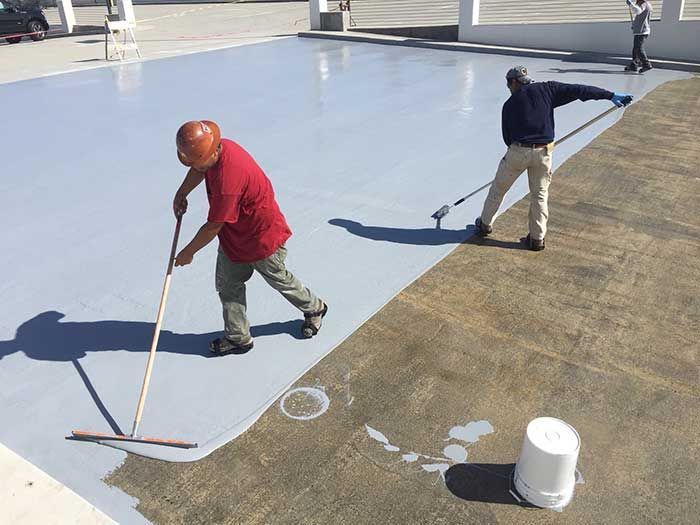
2. Liquid Waterproofing Membranes
Applied as a liquid that forms a seamless protective layer.
Typical uses:
• Roofs
• Terraces
• Balconies
Advantages:
• Flexible
• Seamless coverage
3. Bituminous Waterproofing
Uses asphalt-based materials.
Typical uses:
• Foundations
• Roof surfaces
Advantages:
• Good water resistance
4. Bituminous Membrane Systems
Pre-formed sheets applied to surfaces.
Typical uses:
• Flat roofs
• Underground structures
5. Polyurethane Waterproofing
A flexible liquid system with high durability.
Typical uses:
• Exposed roofs
• Wet areas
Advantages:
• High elasticity
• Strong adhesion
6. Crystalline Waterproofing
Works by forming crystals within concrete pores.
Typical uses:
• Basements
• Water-retaining structures
7. Injection Waterproofing
Used to stop active leaks by injecting resins or chemicals.
Typical uses:
• Cracks
• Joints
Comparison Table: Common Waterproofing Types
| Waterproofing Type | Flexibility | Typical Application Areas | Maintenance Level |
|---|---|---|---|
| Cementitious | Low | Bathrooms, basements | Low |
| Liquid Membrane | High | Roofs, terraces | Medium |
| Bituminous Coating | Medium | Foundations | Medium |
| Bituminous Membrane | Medium | Flat roofs | Medium |
| Polyurethane | Very high | Exposed surfaces | Medium |
| Crystalline | Low | Concrete structures | Low |
| Injection Systems | Localized | Cracks and joints | Low |
Latest Trends and Innovations in Waterproofing
1. Advanced Polymer-Based Systems
Modern polymers improve flexibility, adhesion, and durability.
2. Eco-Friendly Waterproofing Materials
Low-VOC and environmentally responsible products are gaining popularity.
3. Integrated Waterproofing Solutions
Systems are designed to work with insulation and structural components.
4. Improved Crack-Bridging Technologies
New materials can accommodate structural movement without failure.
5. Smart Waterproofing Monitoring
Sensors are being used in large projects to detect moisture early.
6. Faster Curing Materials
Quick-drying systems reduce downtime and construction delays.
7. Increased Focus on Preventive Waterproofing
More emphasis is placed on waterproofing during construction rather than after damage.
Key Features to Consider in Waterproofing
1. Area of Application
Different surfaces such as roofs, basements, or wet areas require different solutions.
2. Exposure Conditions
Consider sunlight, temperature changes, and water pressure.
3. Flexibility and Crack Resistance
Flexible systems perform better where movement is expected.
4. Adhesion Strength
Strong bonding ensures long-term effectiveness.
5. Compatibility with Substrate
The waterproofing material should suit concrete, brick, metal, or other surfaces.
6. Application Method
Ease of application affects installation quality and cost.
7. Lifespan and Durability
Long-lasting systems reduce the need for frequent repairs.
8. Maintenance Requirements
Some systems require more inspection and upkeep than others.
Waterproofing Companies and Solution Providers
The following companies are widely known for waterproofing materials and construction chemicals. These links are provided for general reference and public information, not endorsements.
• Sika – https://www.sika.com
• BASF Construction Chemicals – https://www.master-builders-solutions.com
• Fosroc – https://www.fosroc.com
• Dr. Fixit – https://www.drfixit.co.in
• Mapei – https://www.mapei.com
• Tremco – https://www.tremcosealants.com
• Weber – https://www.netweber.com
How to Choose the Right Waterproofing Solution
Step 1: Identify the Problem Area
Determine whether the issue is leakage, dampness, or preventive protection.
Step 2: Understand Water Exposure
Assess whether water exposure is constant, occasional, or under pressure.
Step 3: Evaluate Surface and Structure
Different materials behave differently under waterproofing systems.
Step 4: Select Suitable Waterproofing Type
Match the method to the application area and exposure conditions.
Step 5: Consider Long-Term Performance
Look beyond initial cost and evaluate durability.
Step 6: Check Application Expertise
Proper installation is essential for performance.
Step 7: Review Maintenance Needs
Choose systems that fit your maintenance capacity.
Waterproofing Selection Checklist
[ ] Problem area identified
[ ] Water exposure assessed
[ ] Surface condition evaluated
[ ] Suitable waterproofing type selected
[ ] Flexibility and durability checked
[ ] Application method reviewed
[ ] Maintenance requirements understood
[ ] Budget aligned with solution
[ ] Compatibility with structure confirmed
[ ] Long-term performance considered
Tips for Best Use and Maintenance of Waterproofing
1. Apply Waterproofing Early
Preventive waterproofing during construction is more effective.
2. Ensure Proper Surface Preparation
Clean and prepared surfaces improve adhesion and performance.
3. Follow Manufacturer Guidelines
Correct mixing, application, and curing are essential.
4. Inspect Periodically
Regular checks help identify early signs of wear or damage.
5. Address Cracks Promptly
Small cracks can allow water entry if ignored.
6. Protect Exposed Surfaces
UV protection and surface coatings extend system life.
7. Avoid Overloading Waterproofed Areas
Excessive weight or mechanical damage can compromise protection.
FAQs About Waterproofing
1. What is waterproofing?
Waterproofing is the process of preventing water from entering a structure.
2. Is waterproofing necessary for all buildings?
Yes. All buildings are exposed to moisture in some form.
3. When is the best time to apply waterproofing?
During construction is ideal, but it can also be applied during repairs.
4. How long does waterproofing last?
Lifespan depends on material quality, application, and maintenance.
5. Can waterproofing stop existing leaks?
Some methods, such as injection systems, can address active leaks.
6. Does waterproofing require maintenance?
Yes. Periodic inspection and minor repairs help maintain effectiveness.
7. Is waterproofing expensive?
Costs vary, but preventive waterproofing is usually more economical long term.
Conclusion: A Practical Takeaway
Waterproofing is an essential part of building protection that directly affects durability, comfort, and long-term value. While it may not always be visible, its impact is significant. Choosing the right waterproofing system, applying it correctly, and maintaining it over time can prevent many common building issues related to moisture and water damage.
By understanding the benefits, limitations, types, trends, and key features of waterproofing outlined in this guide, homeowners, builders, and facility managers can make informed decisions. When approached thoughtfully and proactively, waterproofing becomes a practical investment in the longevity and reliability of any structure.