X-ray machines are among the most widely used imaging technologies in the world.
X-rays are a form of electromagnetic radiation capable of passing through many materials, including parts of the human body. When directed toward an object or person, X-rays are absorbed at different levels depending on density. Bones absorb more radiation than soft tissues, creating contrast on an image. In security and industrial settings, X-rays reveal internal structures that are not visible externally. Since their discovery in the late 19th century, X-rays have become essential in medicine. Doctors use them to diagnose fractures, lung conditions, dental problems, and more. In airports, X-ray scanners screen luggage for prohibited items. In manufacturing, X-ray systems inspect welds, castings, and electronic components for internal defects. The value of X-ray machines lies in their ability to provide quick, non-invasive insight. However, because they involve radiation, proper operation and safety measures are critical.
Benefits of X-Ray Machines
1. Non-Invasive Imaging
X-ray machines allow professionals to see inside the body or objects without surgery or physical disassembly.
2. Fast Results
In medical emergencies, X-rays provide immediate imaging that supports rapid diagnosis and treatment decisions.
3. Wide Range of Applications
X-ray systems are used in healthcare, dentistry, veterinary clinics, airports, customs, manufacturing, and research laboratories.
4. Cost-Effective Diagnostic Tool
Compared to some advanced imaging technologies, basic X-ray imaging can be relatively affordable and widely accessible.
5. Digital Storage and Sharing
Modern digital X-ray systems allow easy storage, retrieval, and electronic sharing of images.
6. Improved Quality Control
In industrial settings, X-rays detect hidden flaws that could compromise safety or performance.
Limitations of X-Ray Machines
1. Radiation Exposure
Although doses are generally low in medical imaging, repeated or improper exposure can pose health risks. Strict safety standards are required.
2. Limited Soft Tissue Detail
Traditional X-rays provide less detail of soft tissues compared to advanced imaging methods like MRI.
3. Equipment Costs
High-quality digital systems and specialized industrial X-ray machines can be expensive.
4. Regulatory Requirements
Operation requires compliance with local radiation safety regulations and professional training.
5. Maintenance and Calibration
X-ray machines require regular inspection, calibration, and component replacement.
Types and Categories of X-Ray Machines
X-ray systems are categorized based on their application and design.
1. Medical Radiography Systems
Used in hospitals and clinics for chest, bone, and abdominal imaging.
2. Dental X-Ray Machines
Designed for intraoral and panoramic imaging of teeth and jaw structures.
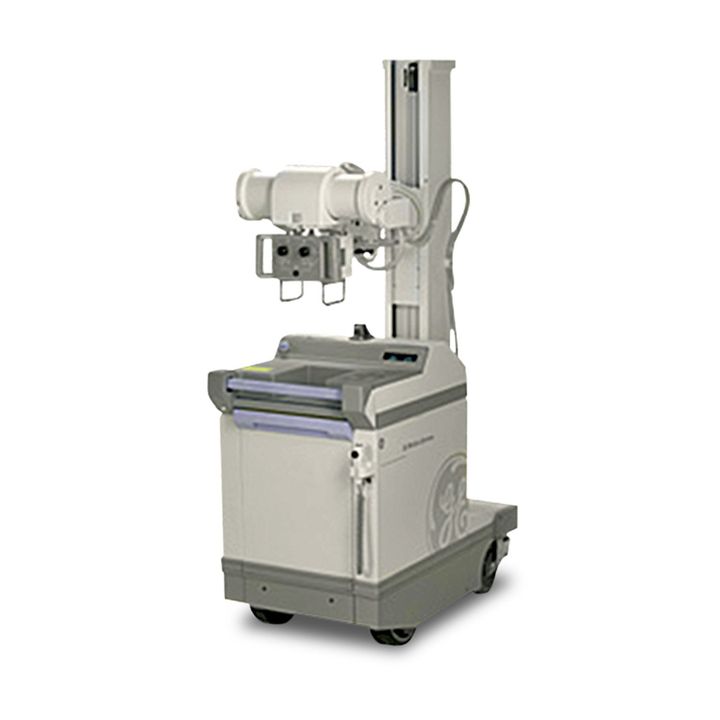
3. Portable X-Ray Machines
Compact systems used in emergency settings, rural clinics, or bedside imaging.
4. Fluoroscopy Systems
Provide real-time moving images, often used in guided procedures.
5. Computed Tomography (CT) Scanners
Use multiple X-ray images to create detailed cross-sectional images.
6. Security X-Ray Scanners
Used in airports and public facilities to screen luggage and cargo.
7. Industrial X-Ray Systems
Inspect materials, welds, pipelines, and manufactured parts for internal defects.
8. Veterinary X-Ray Machines
Adapted for imaging animals in clinics and farms.
Comparison Table: Common X-Ray Machine Types
| Type | Primary Use | Image Type | Common Settings |
|---|---|---|---|
| Medical Radiography | Bone and chest imaging | Static images | Hospitals |
| Dental X-Ray | Teeth and jaw | Intraoral/Panoramic | Dental clinics |
| Portable X-Ray | Emergency imaging | Static | Field hospitals |
| Fluoroscopy | Real-time imaging | Moving images | Surgery rooms |
| CT Scanner | Detailed cross-sections | 3D imaging | Diagnostic centers |
| Security X-Ray | Baggage inspection | Object imaging | Airports |
| Industrial X-Ray | Material testing | Structural imaging | Factories |
Latest Trends and Innovations in X-Ray Machines
1. Digital Radiography (DR)
Digital detectors replace film, providing faster imaging and reduced processing time.
2. Artificial Intelligence Integration
AI tools assist in identifying abnormalities and improving diagnostic accuracy.
3. Dose Reduction Technology
Modern systems are designed to minimize radiation exposure while maintaining image clarity.
4. Wireless and Portable Systems
Lightweight, battery-powered machines increase accessibility in remote locations.
5. Advanced Imaging Software
Enhanced contrast, 3D visualization, and automated measurements improve workflow.
6. Cloud Connectivity
Images can be securely stored and shared across healthcare networks.
Key Features to Consider When Evaluating an X-Ray Machine
1. Imaging Resolution
Higher resolution improves diagnostic detail.
2. Radiation Dose Control
Adjustable exposure settings enhance safety.
3. Detector Type
Flat-panel digital detectors provide faster and clearer results than traditional film.
4. Portability
Consider whether a fixed or mobile system is required.
5. Ease of Use
User-friendly interfaces reduce training time and operational errors.
6. Compliance and Certification
Ensure the machine meets national and international safety standards.
7. Service and Maintenance Support
Availability of trained technicians is essential for long-term reliability.
8. Integration with Existing Systems
Compatibility with hospital information systems improves workflow efficiency.
Well-Known X-Ray Equipment Manufacturers and Public Information Sources
The following companies are recognized globally for medical and industrial X-ray systems:
| Company | Known For | Public Website |
|---|---|---|
| Siemens Healthineers | Medical imaging systems | https://www.siemens-healthineers.com |
| GE HealthCare | Radiography and CT systems | https://www.gehealthcare.com |
| Philips | Diagnostic imaging solutions | https://www.philips.com |
| Canon Medical Systems | CT and radiography equipment | https://www.canonmedical.com |
| Shimadzu | Medical and industrial X-ray systems | https://www.shimadzu.com |
| Smiths Detection | Security X-ray scanners | https://www.smithsdetection.com |
Reviewing official documentation from these sources helps users compare specifications and compliance details.
How to Choose the Right X-Ray Machine
Step 1: Define the Application
Determine whether the machine is for medical, dental, security, or industrial use.
Step 2: Assess Imaging Requirements
Identify resolution, image size, and depth needed.
Step 3: Consider Budget and Total Cost
Include installation, training, maintenance, and compliance costs.
Step 4: Evaluate Space and Infrastructure
Ensure proper shielding, power supply, and room layout.
Step 5: Check Regulatory Compliance
Confirm licensing and radiation safety requirements.
Step 6: Plan for Staff Training
Operators must understand radiation safety and system operation.
Step 7: Review After-Sales Support
Service availability affects uptime and reliability.
X-Ray Machine Selection Checklist
-
Application type defined
-
Required image quality specified
-
Radiation safety standards reviewed
-
Installation space prepared
-
Budget and long-term costs evaluated
-
Staff training planned
-
Maintenance contract reviewed
-
Regulatory approval confirmed
-
Integration with digital systems verified
-
Warranty terms examined
Tips for Best Use and Maintenance
-
Follow radiation safety protocols strictly
-
Conduct regular calibration and performance testing
-
Maintain protective shielding and barriers
-
Train staff in safe exposure procedures
-
Keep detailed usage and maintenance records
-
Replace worn components promptly
-
Update software and firmware when recommended
Frequently Asked Questions About X-Ray Machines
1. Are X-ray machines safe?
When operated properly and within safety guidelines, X-ray machines are considered safe for medical and industrial use.
2. How often should X-ray equipment be inspected?
Regular inspections are typically required by regulatory authorities, often annually or as specified.
3. What is the difference between X-ray and CT scanning?
Standard X-rays provide flat images, while CT scanners produce detailed cross-sectional views.
4. Can X-rays detect all medical conditions?
No. X-rays are effective for certain conditions but may not detect all soft tissue issues.
5. Do portable X-ray machines provide accurate images?
Modern portable systems can produce high-quality images suitable for many applications.
6. Is operator certification required?
Yes, most regions require trained and certified operators.
7. How long do X-ray machines last?
With proper maintenance, systems can function reliably for many years.
Conclusion: A Practical Takeaway
X-ray machines are powerful tools that support healthcare, safety, and industrial quality control. By providing non-invasive imaging, they allow professionals to see beyond surfaces and make informed decisions quickly.
However, selecting the right X-ray system requires careful evaluation of application needs, regulatory compliance, safety standards, and long-term costs. Understanding the types, features, and technological advancements available today helps ensure that users invest in equipment suited to their environment.
With proper training, regular maintenance, and strict adherence to safety guidelines, X-ray machines remain reliable and valuable assets across industries.