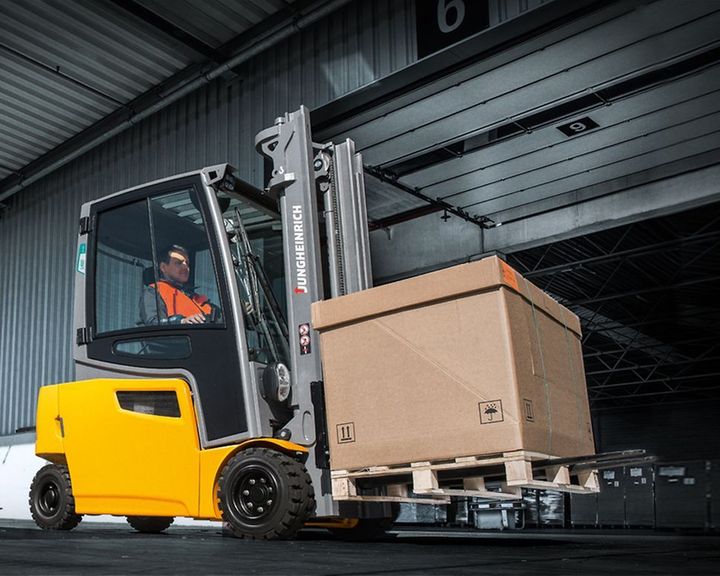
Forklift trucks are essential machines in modern material handling
Forklift trucks are essential machines in modern material handling. They are used to lift, carry, and stack loads over short distances, making them a core part of warehouses, factories, ports, construction sites, and distribution centers. From moving pallets in a small storage room to handling heavy containers in large logistics hubs, forklift trucks help businesses operate efficiently and safely. As global trade, e-commerce, and industrial activity continue to grow, the demand for reliable and well-suited forklifts has increased. At the same time, forklifts have evolved beyond simple lifting machines. Today’s models include electric systems, advanced safety features, and smart technologies that support productivity and regulatory compliance. This guide offers a simple, user-focused explanation of forklift trucks. It covers their benefits and limitations, main types, recent innovations, key features to evaluate, well-known manufacturers, selection guidance, best-use and maintenance tips, frequently asked questions, and a practical conclusion. The goal is to help readers understand forklifts clearly and make informed decisions based on real operational needs.
Benefits of Forklift Trucks
1. Increased Productivity
Forklift trucks significantly reduce the time required to move goods compared to manual handling. This allows faster loading, unloading, and storage operations.
2. Reduced Physical Strain and Injury Risk
By lifting heavy loads mechanically, forklifts help reduce worker fatigue and lower the risk of musculoskeletal injuries.
3. Improved Load Handling Accuracy
Forklifts provide controlled lifting and precise placement of goods, reducing damage to products and storage systems.
4. Versatility Across Industries
Forklifts are used in warehousing, manufacturing, retail distribution, agriculture, ports, airports, and construction.
5. Efficient Use of Vertical Space
With the ability to lift loads to significant heights, forklifts enable vertical storage and better use of warehouse space.
Limitations of Forklift Trucks
1. Initial and Operating Costs
Forklifts require investment not only for purchase but also for fuel, charging infrastructure, maintenance, and operator training.
2. Safety Risks if Improperly Used
Incorrect operation, overloading, or poor maintenance can lead to accidents, injuries, or property damage.
3. Space Constraints
Some forklifts need adequate aisle width and turning space, which may limit use in older or compact facilities.
4. Environmental Considerations
Internal combustion forklifts produce emissions and noise, making them unsuitable for certain indoor environments.
5. Skill and Training Requirements
Forklift operation requires trained and certified operators to ensure safety and compliance with regulations.
Types and Categories of Forklift Trucks
Forklift trucks are available in many configurations, each designed for specific operating conditions.
1. Counterbalance Forklifts
The most common type, using a counterweight at the rear to balance the load. Available in electric, LPG, petrol, and diesel variants.
2. Electric Forklifts
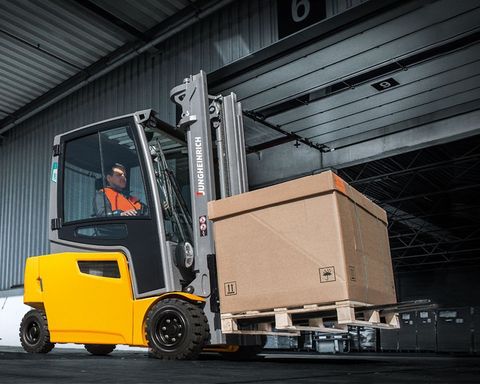
Powered by batteries, electric forklifts are quiet, emission-free, and suitable for indoor use. They are common in warehouses and food facilities.
3. Internal Combustion (IC) Forklifts
These forklifts use diesel, petrol, or LPG. They are powerful and well-suited for outdoor or heavy-duty applications.
4. Reach Trucks
Designed for narrow aisles and high racking systems, reach trucks are widely used in high-density warehouses.
5. Pallet Trucks (Manual and Electric)
Used for short-distance movement of palletized goods at ground level. Electric pallet trucks reduce manual effort.
6. Rough Terrain Forklifts
Built with large tires and strong frames, these forklifts operate on uneven ground such as construction sites.
7. Telehandlers
A telescopic forklift with extended reach, commonly used in construction and agriculture.
8. Side Loaders
Designed for handling long or bulky materials such as timber, pipes, or steel bars.
Comparison Table: Common Forklift Types
| Forklift Type | Typical Environment | Key Strength | Common Uses |
|---|---|---|---|
| Counterbalance | Indoor and outdoor | Versatile and simple | Warehouses, factories |
| Electric Forklift | Indoor | Low noise, zero emissions | Food, retail, logistics |
| IC Forklift | Outdoor | High power | Yards, ports |
| Reach Truck | Narrow aisles | High lift height | High-density storage |
| Pallet Truck | Indoor | Simple material movement | Retail, small warehouses |
| Rough Terrain | Outdoor uneven ground | Stability on rough surfaces | Construction sites |
| Telehandler | Outdoor | Extended reach | Agriculture, construction |
Latest Trends and Innovations in Forklift Trucks
1. Electrification and Lithium-Ion Batteries
Lithium-ion batteries offer faster charging, longer life, and lower maintenance compared to traditional lead-acid batteries.
2. Automation and Autonomous Forklifts
Automated guided vehicles (AGVs) and autonomous mobile robots (AMRs) are increasingly used in repetitive material handling tasks.
3. Telematics and Fleet Management
Modern forklifts include sensors and connectivity that track usage, performance, impact events, and maintenance needs.
4. Enhanced Safety Technologies
Features such as speed control, proximity sensors, operator presence detection, and automatic braking improve workplace safety.
5. Energy Efficiency Improvements
Manufacturers focus on reducing energy consumption through regenerative braking and optimized motor control.
6. Ergonomic Operator Design
Improved seating, visibility, and control layouts reduce operator fatigue and improve comfort during long shifts.
Key Features to Consider When Evaluating a Forklift Truck
1. Load Capacity
Always select a forklift with capacity that exceeds typical load requirements while considering load height and attachments.
2. Lift Height and Mast Type
Different mast designs affect maximum lift height, visibility, and stability.
3. Power Source
Choose between electric, LPG, petrol, or diesel based on environment, cost, and emission requirements.
4. Operating Environment
Indoor vs outdoor use, aisle width, floor conditions, and temperature all influence forklift selection.
5. Attachments Compatibility
Forklifts can be fitted with attachments such as clamps, side shifters, and fork positioners for specialized tasks.
6. Safety Features
Look for seat belts, warning lights, alarms, and stability control systems.
7. Maintenance and Service Access
Ease of servicing and availability of spare parts affect long-term reliability.
Well-Known Forklift Manufacturers and Public Resources
The following companies provide widely accessible information on forklift trucks and material handling solutions:
| Company | Known For | Public Website |
|---|---|---|
| Toyota Material Handling | Broad range of forklifts | https://www.toyota-forklifts.com |
| KION Group | Multiple forklift brands | https://www.kiongroup.com |
| Jungheinrich | Electric forklifts and automation | https://www.jungheinrich.com |
| Crown Equipment | Warehouse forklifts | https://www.crown.com |
| Hyster-Yale | Heavy-duty forklifts | https://www.hyster-yale.com |
| Komatsu | Industrial forklifts | https://www.komatsu.com |
These sources offer specifications, operator guides, and safety documentation useful for comparison and learning.
How to Choose the Right Forklift Truck
Step 1: Identify Load Characteristics
Consider weight, size, shape, and stability of typical loads.
Step 2: Analyze Operating Environment
Indoor or outdoor use, floor quality, aisle width, and ramp usage are critical factors.
Step 3: Determine Power Requirements
Choose electric for clean indoor use or IC forklifts for heavy outdoor work.
Step 4: Define Usage Frequency
High-usage operations may justify higher upfront costs for durability and efficiency.
Step 5: Evaluate Total Cost of Ownership
Include purchase, fuel or electricity, maintenance, training, and downtime.
Step 6: Confirm Regulatory Compliance
Ensure the forklift meets local safety and emission standards.
Step 7: Plan for Future Needs
Consider business growth, load changes, or automation possibilities.
Forklift Selection Checklist
-
Maximum load weight identified
-
Required lift height confirmed
-
Indoor or outdoor use defined
-
Aisle width and space measured
-
Power source selected
-
Safety features reviewed
-
Attachment needs identified
-
Maintenance support available
-
Operator training planned
-
Total ownership cost estimated
Tips for Best Use and Maintenance
-
Train and certify all operators before use
-
Perform daily pre-operation inspections
-
Follow recommended load limits strictly
-
Keep tires, brakes, and hydraulics well maintained
-
Charge or refuel according to manufacturer guidance
-
Keep travel paths clear and well marked
-
Record maintenance and inspection activities
Frequently Asked Questions About Forklift Trucks
1. How often should forklifts be serviced?
Most forklifts require routine inspections daily and preventive maintenance based on operating hours.
2. Are electric forklifts suitable for heavy loads?
Yes, many electric models handle heavy loads, but capacity and battery performance must be verified.
3. Can one forklift be used indoors and outdoors?
Some forklifts can, but tire type, emissions, and floor conditions must be considered.
4. Is operator training mandatory?
In most regions, formal training and certification are required for safe operation.
5. What affects forklift stability most?
Load weight, lift height, speed, turning radius, and uneven surfaces all impact stability.
6. How long do forklift batteries last?
Lead-acid batteries typically last several years with proper care; lithium-ion batteries may last longer.
7. Are attachments interchangeable between forklifts?
Not always. Attachments must be compatible with forklift capacity and hydraulic systems.
Conclusion: A Practical Takeaway
Forklift trucks are foundational tools in material handling, enabling safe and efficient movement of goods across industries. While they offer significant productivity and safety benefits, selecting the right forklift requires careful consideration of loads, environment, power source, and long-term operating costs.
By understanding forklift types, key features, and recent innovations, users can choose equipment that aligns with their operational needs. With proper training, regular maintenance, and responsible use, a forklift truck becomes a dependable asset that supports smooth workflows and safer workplaces over the long term.