A Practical and User-Focused Guide to Tools That Power Scientific Work
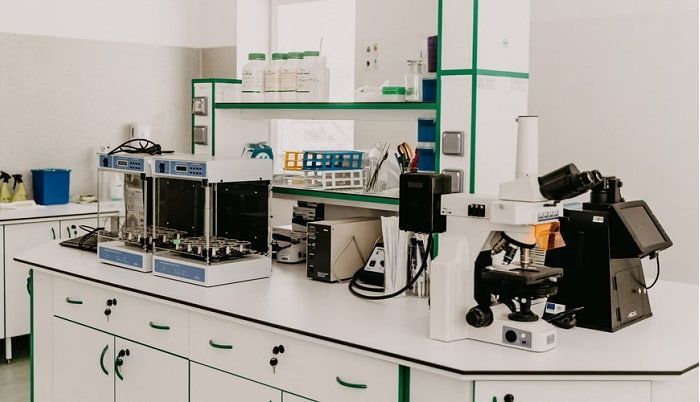
Lab equipment refers to the tools, instruments, and devices used in laboratories to carry out experiments, research, testing, analysis, and quality control. These tools are essential across many fields, including healthcare, pharmaceuticals, education, manufacturing, environmental science, food testing, and academic research. From basic glassware to advanced analytical instruments, lab equipment enables accuracy, consistency, and safety in scientific work. Reliable equipment supports correct results, reduces errors, and ensures experiments can be repeated and validated. As scientific methods evolve and standards become stricter, the role of lab equipment continues to grow in importance. This article provides a clear and user-focused overview of lab equipment. It explains benefits and limitations, major types and categories, recent trends and innovations, key features to consider, well-known companies and information sources, guidance on choosing the right equipment, practical tips for use and maintenance, frequently asked questions, and a reflective conclusion.
Benefits of Lab Equipment
1. Accuracy and Precision
Lab equipment allows precise measurement, controlled conditions, and repeatable results, which are essential for reliable scientific outcomes.
2. Improved Efficiency
Modern instruments automate many tasks, saving time and reducing manual effort.
3. Enhanced Safety
Proper lab equipment helps protect users from chemical, biological, and physical hazards.
4. Standardization of Results
Using calibrated equipment ensures consistency across experiments, teams, and locations.
5. Support for Innovation and Research
Advanced lab tools enable complex experiments and new discoveries.
6. Compliance With Regulations
Certified equipment helps laboratories meet regulatory and quality standards.
Limitations of Lab Equipment
1. High Initial Cost
Advanced lab instruments can be expensive to purchase and install.
2. Maintenance and Calibration Needs
Many tools require regular servicing to remain accurate.
3. Training Requirements
Specialized equipment may require trained personnel to operate safely and correctly.
4. Sensitivity to Environment
Temperature, humidity, dust, and vibration can affect performance.
5. Technology Obsolescence
Rapid advancements can make older equipment less efficient or incompatible.
Types and Categories of Lab Equipment
1. General Laboratory Equipment
Basic tools used in most laboratories.
Examples:
• Beakers
• Flasks
• Pipettes
• Test tubes
Typical use:
• Mixing
• Measuring
• Sample handling
2. Analytical Instruments
Used for qualitative and quantitative analysis.
Examples:
• Spectrophotometers
• Chromatography systems
• Balances
3. Measuring and Weighing Equipment
Provides accurate measurements.
Examples:
• Analytical balances
• pH meters
• Thermometers
4. Heating and Cooling Equipment
Controls temperature during experiments.
Examples:
• Hot plates
• Incubators
• Refrigerators
• Freezers
5. Sample Preparation Equipment
Used to prepare samples for testing.
Examples:
• Centrifuges
• Mixers
• Homogenizers
6. Safety Equipment
Protects users and the environment.
Examples:
• Fume hoods
• Safety cabinets
• Eye wash stations
7. Specialized Equipment
Designed for specific fields.
Examples:
• PCR machines
• Autoclaves
• Microscopes
Comparison Table: Common Lab Equipment Categories
| Category | Primary Function | Complexity | Typical Users |
|---|---|---|---|
| General Equipment | Basic handling | Low | All labs |
| Analytical Instruments | Data analysis | High | Research labs |
| Measuring Equipment | Precision measurement | Medium | Testing labs |
| Heating/Cooling | Temperature control | Medium | Science labs |
| Sample Preparation | Sample processing | Medium | Industrial labs |
| Safety Equipment | Risk reduction | Low | All labs |
| Specialized Equipment | Field-specific tasks | High | Advanced users |
Latest Trends and Innovations in Lab Equipment
1. Automation and Robotics
Automated systems reduce manual handling and improve consistency.
2. Digital Integration
Equipment increasingly connects to software for data logging and analysis.
3. Miniaturization
Smaller instruments reduce space requirements and resource usage.
4. Energy-Efficient Designs
Modern equipment uses less power and generates less heat.
5. Remote Monitoring
Sensors and connectivity allow monitoring equipment performance remotely.
6. Improved User Interfaces
Touchscreens and guided workflows make equipment easier to use.
7. Focus on Sustainability
Manufacturers are reducing waste and using environmentally responsible materials.
Key Features to Consider When Evaluating Lab Equipment
1. Accuracy and Precision
Check specifications to ensure they meet experimental requirements.
2. Reliability and Build Quality
Durable construction supports long-term use.
3. Ease of Use
Clear controls and instructions reduce errors and training time.
4. Calibration and Maintenance Needs
Understand how often servicing is required.
5. Compatibility
Ensure equipment works with existing systems and accessories.
6. Safety Features
Built-in protections reduce risk during operation.
7. Data Handling Capabilities
Digital output and storage support documentation and analysis.
8. Compliance and Standards
Equipment should meet relevant industry and regulatory standards.
Lab Equipment Companies and Information Sources
The following organizations are widely known for lab equipment and scientific tools. These links are provided for general reference and public information, not endorsements.
• Thermo Fisher Scientific – https://www.thermofisher.com
• Agilent Technologies – https://www.agilent.com
• Bruker – https://www.bruker.com
• Shimadzu – https://www.shimadzu.com
• Eppendorf – https://www.eppendorf.com
• Merck Millipore – https://www.merckmillipore.com
• Sartorius – https://www.sartorius.com
How to Choose the Right Lab Equipment
Step 1: Define the Application
Identify whether the equipment is for research, teaching, testing, or production.
Step 2: Determine Required Specifications
Accuracy, capacity, and performance should match experimental needs.
Step 3: Assess Laboratory Environment
Consider space, power supply, ventilation, and safety requirements.
Step 4: Evaluate User Skill Level
Choose equipment suitable for the experience of operators.
Step 5: Review Budget and Total Cost
Include purchase price, maintenance, consumables, and calibration.
Step 6: Check Compliance Needs
Ensure the equipment meets regulatory or accreditation standards.
Step 7: Consider After-Sales Support
Reliable service and spare parts availability are essential.
Lab Equipment Selection Checklist
[ ] Purpose of use clearly defined
[ ] Performance specifications reviewed
[ ] Accuracy and precision confirmed
[ ] Space and infrastructure assessed
[ ] Safety requirements checked
[ ] Maintenance needs understood
[ ] Compatibility with existing systems verified
[ ] Budget and operating costs planned
[ ] Training requirements considered
[ ] Support and service availability confirmed
Tips for Best Use and Maintenance of Lab Equipment
1. Follow Operating Instructions
Correct use prevents damage and ensures accurate results.
2. Perform Regular Calibration
Calibration maintains accuracy and compliance.
3. Keep Equipment Clean
Proper cleaning reduces contamination and wear.
4. Monitor Environmental Conditions
Control temperature, humidity, and dust levels.
5. Train Users Properly
Well-trained users reduce errors and accidents.
6. Schedule Preventive Maintenance
Regular servicing prevents unexpected failures.
7. Document Usage and Service
Records support troubleshooting and audits.
FAQs About Lab Equipment
1. What is lab equipment used for?
Lab equipment supports experiments, testing, analysis, and research.
2. Is all lab equipment expensive?
No. Costs range from basic tools to advanced instruments.
3. How often should lab equipment be calibrated?
Frequency depends on usage and regulatory requirements.
4. Can lab equipment be reused across experiments?
Yes, if properly cleaned and maintained.
5. Is training required to use lab equipment?
Basic equipment requires minimal training, while advanced tools require expertise.
6. How long does lab equipment last?
With proper care, many tools last years or decades.
7. What happens if lab equipment is not maintained?
Poor maintenance can lead to inaccurate results and safety risks.
Conclusion: A Practical Takeaway
Lab equipment forms the foundation of scientific work, enabling accurate measurement, safe experimentation, and reliable results. While the range of available tools can be broad and sometimes complex, understanding core categories, key features, and practical considerations helps users make informed decisions.
By evaluating needs carefully, selecting appropriate equipment, and maintaining it properly, laboratories can support efficiency, safety, and long-term reliability. When used thoughtfully and responsibly, lab equipment becomes not just a collection of tools, but a critical partner in learning, discovery, and quality assurance.