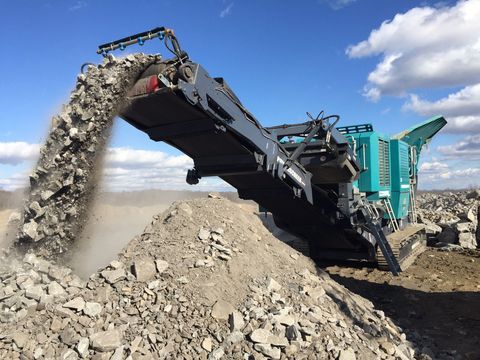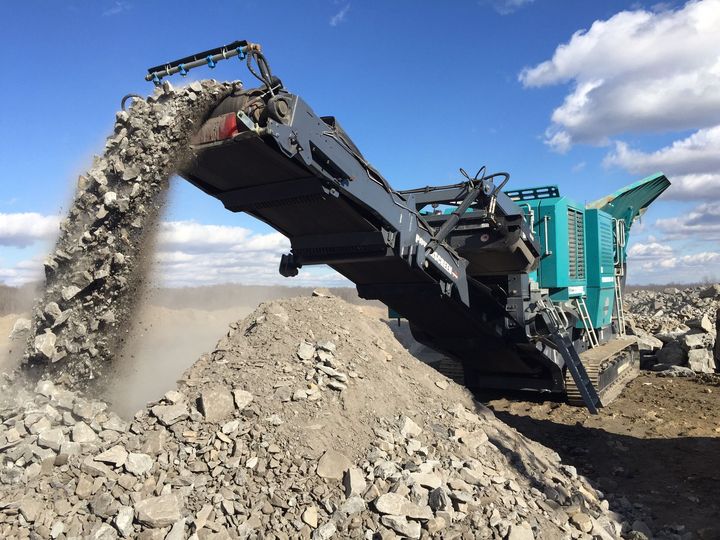
Crusher machines play a vital role in construction, mining, recycling, and material processing industries.
Raw materials such as stone, ore, and recycled concrete often start in large, irregular forms. Before they can be used in construction or manufacturing, they must be reduced to specific sizes. Crusher machines perform this size-reduction process efficiently and consistently. In mining, crushers break down ore for further processing. In construction, they produce aggregates used in concrete and asphalt. In recycling, crushers transform demolition debris into reusable materials. Without crushers, many infrastructure and industrial processes would be slower, more expensive, and less efficient. As demand for sustainable construction and recycling grows, crusher machines are becoming more important in material recovery and waste reduction.
Benefits of Crusher Machines
1. Efficient Size Reduction
Crusher machines quickly reduce large materials into smaller sizes suitable for transport, processing, or reuse.
2. Improved Material Handling
Smaller, uniform materials are easier to transport, store, and process further.
3. Support for Recycling
Crushers help convert waste materials such as concrete and asphalt into reusable aggregates.
4. Increased Productivity
Automated crushing systems process high volumes of material with consistent output.
5. Cost Savings in Material Reuse
Recycling crushed materials can reduce the need for new raw material extraction.
6. Versatility Across Applications
Different crusher types handle various materials, including hard rock, soft stone, metal ore, and construction debris.
Limitations of Crusher Machines
1. High Initial Investment
Industrial crusher machines can require significant upfront capital.
2. Energy Consumption
Crushing operations may consume considerable power, especially for hard materials.
3. Noise and Dust
Crushers generate noise and dust, requiring environmental controls and safety measures.
4. Maintenance Requirements
Regular inspection and part replacement are necessary to prevent breakdowns.
5. Material-Specific Performance
Not all crushers perform equally well with every material type.
Types and Categories of Crusher Machines
Crusher machines are classified based on their mechanism and application.
1. Jaw Crushers
Jaw crushers use compressive force between two plates to break large rocks. They are often used as primary crushers in mining and construction.
2. Cone Crushers
Cone crushers use a rotating cone within a fixed outer shell to crush material. They are typically used for secondary or tertiary crushing.
3. Impact Crushers
Impact crushers break materials using high-speed impact rather than compression. Suitable for softer materials and recycling.
4. Hammer Crushers
Hammer crushers use rotating hammers to crush materials into smaller particles. Common in coal and limestone processing.
5. Roll Crushers
Roll crushers compress material between two rotating rollers. They are suitable for softer materials and controlled particle sizes.
6. Gyratory Crushers
Used mainly in large mining operations, gyratory crushers handle very high-capacity primary crushing.
7. Mobile Crushers
Mounted on tracks or wheels, mobile crushers can be transported to job sites.
8. Industrial Shredders
While technically different, shredders are often grouped with crushers in waste processing operations.
Comparison Table: Common Crusher Types
| Crusher Type | Best For | Crushing Method | Typical Application |
|---|---|---|---|
| Jaw Crusher | Large hard rocks | Compression | Primary mining, construction |
| Cone Crusher | Medium to hard rock | Compression | Secondary crushing |
| Impact Crusher | Softer materials | Impact force | Recycling, aggregates |
| Hammer Crusher | Coal, limestone | Impact & hammering | Industrial processing |
| Roll Crusher | Soft materials | Compression | Mineral processing |
| Gyratory Crusher | Large-scale mining | Compression | High-capacity operations |
| Mobile Crusher | On-site projects | Varies | Construction, demolition |
Latest Trends and Innovations in Crusher Machines
1. Mobile and Portable Crushing Systems
Mobile crushers allow on-site processing, reducing transport costs and time.
2. Automation and Remote Monitoring
Advanced systems include sensors and digital controls for monitoring performance and wear.
3. Energy-Efficient Designs
Manufacturers are focusing on optimizing motor efficiency and reducing power consumption.
4. Dust Suppression Systems
Integrated water sprays and enclosures help minimize environmental impact.
5. Hybrid and Electric Crushers
Electric and hybrid models reduce fuel consumption and emissions.
6. Smart Wear Monitoring
Some crushers now include technology that tracks liner wear and predicts maintenance needs.
Key Features to Consider When Evaluating a Crusher Machine
1. Material Type and Hardness
Different crushers handle specific materials better. Hard rock requires robust compression systems.
2. Output Size Requirements
Determine the desired particle size and adjustability.
3. Production Capacity
Measured in tons per hour, capacity should align with operational demands.
4. Feed Size
The maximum input material size must match crusher specifications.
5. Mobility Requirements
Consider whether stationary or mobile equipment is more appropriate.
6. Energy Efficiency
Power consumption affects long-term operating costs.
7. Maintenance Accessibility
Ease of replacing liners, belts, and other wear parts is important.
8. Safety Features
Look for emergency stop systems, protective guards, and overload protection.
Well-Known Crusher Machine Manufacturers and Public Resources
The following companies are recognized globally in crushing and material processing equipment:
| Company | Known For | Public Website |
|---|---|---|
| Metso | Mining and aggregates crushers | https://www.metso.com |
| Sandvik | Rock processing solutions | https://www.rockprocessing.sandvik |
| Terex | Mobile crushing equipment | https://www.terex.com |
| Kleemann | Mobile crushers | https://www.kleemann.info |
| Astec Industries | Crushing and screening systems | https://www.astecindustries.com |
| Komatsu | Mining crushers | https://www.komatsu.com |
These websites provide product specifications, case studies, and technical documentation.
How to Choose the Right Crusher Machine
Step 1: Define Material Characteristics
Assess hardness, moisture content, abrasiveness, and size.
Step 2: Determine Required Output
Specify desired particle size and throughput capacity.
Step 3: Evaluate Site Conditions
Consider space, mobility needs, and infrastructure.
Step 4: Compare Crusher Types
Select a mechanism suited to the material and production goals.
Step 5: Analyze Total Cost of Ownership
Include fuel or electricity, maintenance, wear parts, and labor.
Step 6: Review Environmental Regulations
Ensure compliance with dust and noise standards.
Step 7: Plan for Scalability
Choose equipment that supports future expansion.
Crusher Machine Selection Checklist
-
Material type identified
-
Maximum feed size confirmed
-
Desired output size defined
-
Required production capacity calculated
-
Mobility needs assessed
-
Power availability confirmed
-
Safety features reviewed
-
Maintenance access evaluated
-
Environmental compliance checked
-
Budget and long-term costs estimated
Tips for Best Use and Maintenance
-
Conduct daily inspections before operation
-
Keep feeding material within recommended limits
-
Replace worn liners and parts promptly
-
Maintain proper lubrication schedules
-
Monitor vibration and noise levels
-
Ensure proper dust suppression systems are active
-
Train operators thoroughly in safe operation procedures
Frequently Asked Questions About Crusher Machines
1. How often should crusher parts be replaced?
Wear parts such as liners and hammers should be inspected regularly and replaced based on usage and material abrasiveness.
2. Can one crusher handle all materials?
No. Different crushers are optimized for specific materials and crushing stages.
3. Are mobile crushers as powerful as stationary ones?
Mobile crushers are efficient for many applications but may have lower capacity than large stationary units.
4. How is output size controlled?
Adjusting settings such as gap size or rotor speed controls final particle size.
5. What safety measures are essential?
Proper guarding, emergency stops, dust control, and trained operators are critical.
6. How long do crusher machines typically last?
With proper maintenance, industrial crushers can operate for many years.
7. Is crushing environmentally sustainable?
When used for recycling and material reuse, crushers support sustainability goals.
Conclusion: A Practical Takeaway
Crusher machines are fundamental tools in mining, construction, and recycling industries. They transform large, raw materials into usable forms, enabling infrastructure development and sustainable resource management.
While crusher machines offer productivity and efficiency benefits, selecting the right model requires careful evaluation of material type, capacity, site conditions, and long-term costs. By understanding the various types of crushers and their applications, users can choose equipment that aligns with operational needs.
Proper maintenance, operator training, and environmental controls ensure that crusher machines remain reliable assets over time. With thoughtful selection and responsible use, crushers contribute not only to industrial productivity but also to sustainable material management practices.