A Clear and Practical Guide for Everyday Users, Learners, and Wellness Professionals
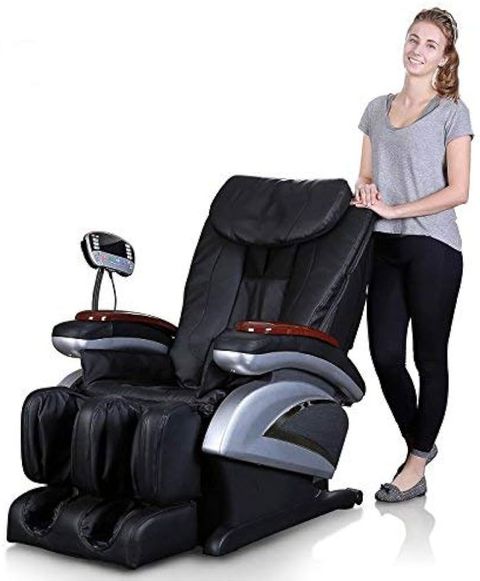
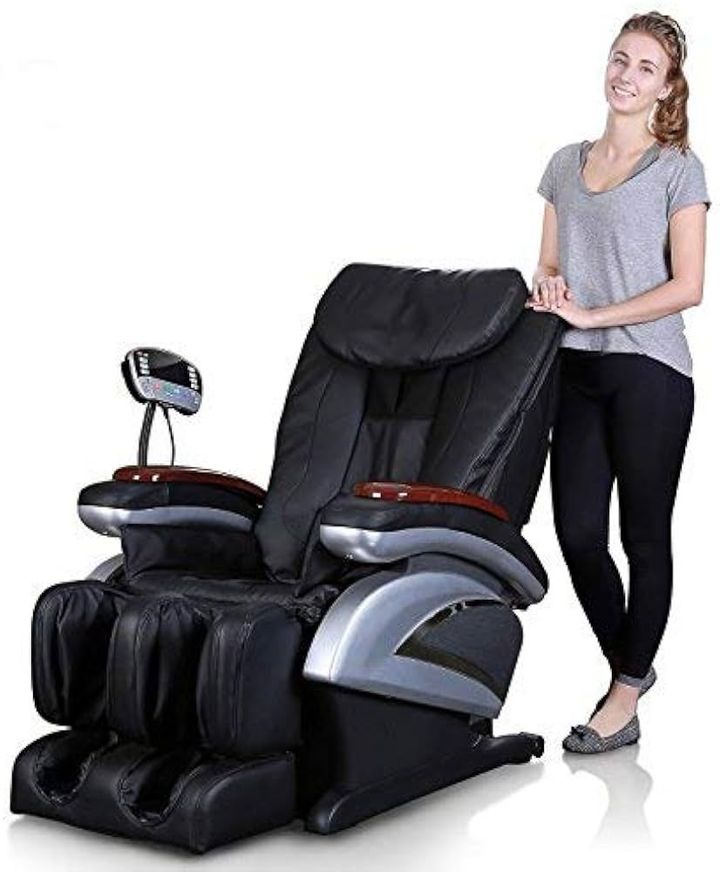
Modern lifestyles often involve prolonged sitting, repetitive motion, or physical strain. These habits can contribute to muscle stiffness, back discomfort, and general fatigue. While professional massage therapy remains valuable, not everyone has the time or access to regular sessions. Massage chairs offer an alternative by providing automated massage programs at home or in the workplace. They are designed to mimic techniques such as kneading, tapping, rolling, shiatsu, and compression. Although they do not replace medical treatment, they may support relaxation and short-term comfort when used appropriately. Understanding how massage chairs function and which features matter most can help users avoid unnecessary costs and select equipment that matches their needs
Benefits of Massage Chairs
1. Muscle Relaxation and Comfort
Massage chairs use rollers and airbags to apply pressure to the back, shoulders, legs, and sometimes arms. This may help reduce temporary muscle tension and promote relaxation.
2. Convenience
Users can access massage sessions at any time without travel or appointments. This can be especially useful for individuals with busy schedules.
3. Stress Reduction
Many users report feeling calmer after massage sessions. The rhythmic movement and reclining position may support relaxation routines.
4. Improved Circulation Support
Air compression and rolling motions may stimulate circulation, which can contribute to temporary relief from stiffness.
5. Customizable Programs
Modern massage chairs often allow users to adjust intensity, speed, focus areas, and duration.
6. Multi-Purpose Seating
Many models function as standard recliners when massage features are not in use.
Limitations of Massage Chairs
1. Not a Substitute for Medical Care
Massage chairs are designed for comfort and relaxation, not for diagnosing or treating medical conditions.
2. Initial Cost
High-quality massage chairs can be expensive, particularly models with advanced features.
3. Space Requirements
Full-size chairs require adequate floor space and clearance for reclining.
4. Limited Personalization Compared to Human Therapists
While adjustable, massage chairs cannot fully replicate the adaptability of a trained therapist.
5. Noise and Power Consumption
Some models produce operational noise and require access to electrical outlets.
Types and Categories of Massage Chairs
Massage chairs vary widely in size, technology, and features. Understanding categories can simplify selection.
1. Full-Body Massage Chairs
These provide massage from neck to feet using rollers and air compression systems.
2. Zero-Gravity Chairs
Designed to recline into a position that distributes body weight evenly, reducing pressure on the spine.
3. 2D, 3D, and 4D Massage Chairs
-
2D: Rollers move up/down and side to side
-
3D: Rollers move in and out for adjustable depth
-
4D: Adds variable speed and rhythm control for more customized sensation
4. Shiatsu Massage Chairs
Focus on pressure-point massage inspired by traditional Japanese techniques.
5. Portable or Compact Massage Chairs
Smaller models designed for limited space or occasional use.
6. Office Massage Chairs
Look similar to executive chairs but include back massage functions.
Comparison Table: Common Massage Chair Types
| Type | Coverage Area | Best For | Key Feature |
|---|---|---|---|
| Full-Body | Neck to feet | Home relaxation | Comprehensive massage |
| Zero-Gravity | Full back and legs | Spinal comfort | Reclined posture |
| 2D Chair | Back | Budget users | Basic roller motion |
| 3D Chair | Back and shoulders | Adjustable intensity | Depth control |
| 4D Chair | Full back | Customization seekers | Variable speed control |
| Compact Chair | Back | Small spaces | Lightweight design |
| Office Chair | Back | Workplace use | Dual functionality |
Latest Trends and Innovations in Massage Chairs
1. Body Scanning Technology
Some models scan the user’s back to adjust roller position based on height and body shape.
2. App Connectivity and Smart Controls
Modern chairs may connect to mobile apps for easier control and program customization.
3. Voice Activation
Certain high-end models allow voice-activated operation.
4. Improved Roller Tracks (SL-Track Design)
SL-track systems follow the natural curve of the spine from neck to thighs.
5. Enhanced Air Compression Systems
Multi-chamber airbags provide more even pressure distribution.
6. Heat Therapy Integration
Targeted heating elements are often built into the lumbar or leg areas.
7. Space-Saving Recline Mechanisms
Some chairs require minimal clearance from the wall.
Key Features to Consider When Evaluating a Massage Chair
1. Massage Techniques
Check which techniques are included (kneading, tapping, rolling, shiatsu, compression).
2. Intensity Adjustment
The ability to adjust pressure levels ensures comfort for different users.
3. Track Length
Longer tracks allow massage coverage from upper neck to lower back or thighs.
4. Build Quality
Strong frames and durable upholstery increase longevity.
5. Weight Capacity
Verify the maximum supported weight.
6. Noise Level
Quiet motors are important for home environments.
7. Warranty and Service Availability
Longer warranties and accessible service centers improve long-term reliability.
8. Ease of Use
Clear control panels or remote systems enhance user experience.
Well-Known Massage Chair Manufacturers and Public Information Sources
Below are companies known internationally for massage chair development. Public websites provide specifications and educational material.
| Company | Known For | Public Website |
|---|---|---|
| Osaki | Wide range of massage chairs | https://www.osakimassagechair.com |
| Human Touch | Ergonomic massage chairs | https://www.humantouch.com |
| Panasonic | Advanced massage technology | https://www.panasonic.com |
| Kahuna | Zero-gravity models | https://www.kahunachair.com |
| Inada | Shiatsu massage chairs | https://www.inada.com |
Reviewing official documentation and comparison charts can help users understand feature differences.
How to Choose the Right Massage Chair
Step 1: Identify Primary Needs
Determine whether the goal is relaxation, muscle tension relief, or general comfort.
Step 2: Measure Available Space
Confirm room dimensions and clearance for reclining.
Step 3: Set a Budget
Balance desired features with affordability.
Step 4: Compare Technical Specifications
Review track type, roller design, airbag coverage, and heating options.
Step 5: Test If Possible
Sitting in the chair before purchase helps evaluate comfort.
Step 6: Review Warranty and After-Sales Support
Check coverage duration and local service availability.
Step 7: Consider Household Usage
If multiple users will share the chair, adjustable intensity and body scanning features are helpful.
Massage Chair Selection Checklist
-
Space measured
-
Budget defined
-
Desired massage techniques identified
-
Track type reviewed (S-track or SL-track)
-
Intensity levels adjustable
-
Weight capacity confirmed
-
Warranty details reviewed
-
Service center availability checked
-
Noise level acceptable
-
Power outlet location suitable
Tips for Best Use and Maintenance
-
Limit sessions to recommended durations
-
Clean upholstery regularly with appropriate materials
-
Keep the chair away from moisture and direct sunlight
-
Avoid placing heavy objects on moving components
-
Follow manufacturer guidelines for power usage
-
Schedule professional servicing if mechanical issues arise
-
Store remote controls properly to prevent damage
Frequently Asked Questions About Massage Chairs
1. How often can a massage chair be used?
Most manufacturers recommend sessions of 15–30 minutes, once or twice daily.
2. Are massage chairs safe for everyone?
Individuals with medical conditions should consult a healthcare professional before use.
3. Do massage chairs help with chronic pain?
They may provide temporary comfort but are not medical treatment.
4. How long do massage chairs typically last?
Durability depends on build quality and usage frequency. Many models last several years with proper care.
5. Are zero-gravity chairs necessary?
Zero-gravity positioning can enhance comfort, but it is not essential for all users.
6. Do massage chairs consume significant electricity?
Energy use is generally moderate and comparable to other household appliances.
7. Can multiple people use the same chair?
Yes, especially models with adjustable intensity and body scanning features.
Conclusion: A Practical Takeaway
Massage chairs are designed to provide convenient, automated relaxation and muscle comfort in home or workplace settings. While they do not replace professional therapy or medical treatment, they can support stress management and short-term relief from muscle tension.
Understanding the different types, features, and limitations helps users select a chair that aligns with their needs and living space. By evaluating technical specifications, comparing options carefully, and maintaining the chair properly, individuals can make a thoughtful and informed decision.
A massage chair is not simply a piece of furniture; it is a functional wellness tool. Choosing wisely ensures it contributes positively to comfort, routine relaxation, and overall wellbeing.